
Solar + Hydrogen: How Green Hydrogen Is Transforming Renewable Energy Storage
As the world accelerates towards net-zero targets, renewable energy must solve one critical challenge: storage. Solar power is abundant and clean, but it is not always available when demand is highest. This is where green hydrogen is emerging as a powerful solution. By combining solar energy with hydrogen production, we can store clean energy for long periods and decarbonise sectors that electricity alone cannot reach.
What Is Green Hydrogen?
Green hydrogen is hydrogen produced using renewable electricity, such as solar power, through a process called electrolysis. During electrolysis, electricity splits water into hydrogen and oxygen. When the electricity comes from solar panels, the hydrogen produced is completely carbon-free.
Unlike fossil fuel–based hydrogen, which emits significant carbon dioxide, green hydrogen offers a clean alternative that can be stored, transported, and used when needed.
How Solar Power Produces Hydrogen
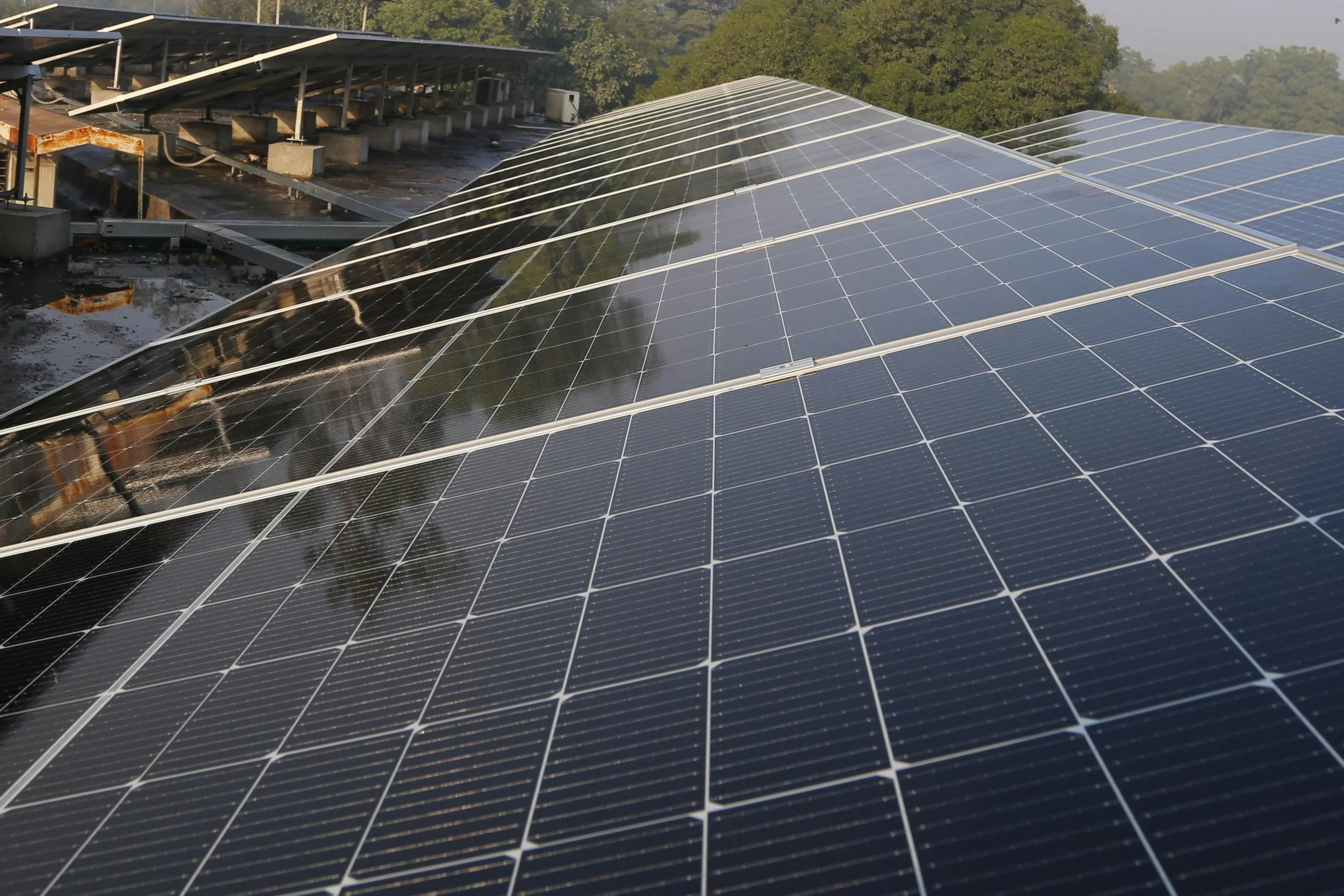
Solar panels generate electricity during daylight hours, often producing more energy than is immediately required. Instead of wasting this excess power, it can be directed to an electrolyser.
Here’s how the process works:
Solar panels generate surplus electricity.
The electricity powers an electrolyser.
Water is split into hydrogen and oxygen.
Hydrogen is stored in tanks or underground facilities.
This stored hydrogen can later be converted back into electricity, used as fuel, or supplied directly to industry. In effect, solar energy is transformed into a flexible, long-term energy reserve.
Why Hydrogen Solves the Storage Problem
Traditional batteries are excellent for short-term storage, but they become costly and impractical for seasonal or large-scale energy storage. Hydrogen fills this gap.
Hydrogen can store energy for weeks, months, or even years without degradation. It also scales easily, making it suitable for national energy systems. This makes green hydrogen a vital complement to solar batteries, particularly for balancing supply and demand over long periods.
Decarbonising Industry with Green Hydrogen
One of hydrogen’s biggest advantages is its ability to decarbonise hard-to-electrify industries. Sectors such as steelmaking, cement production, shipping, and aviation require intense heat or energy density that electricity alone cannot efficiently provide.
Green hydrogen can replace fossil fuels in these industries, significantly reducing emissions. For example, hydrogen can be used to produce green steel or power heavy transport vehicles, cutting reliance on coal, oil, and gas.
The Future of Solar and Hydrogen Together
As solar technology becomes more affordable and electrolysers improve in efficiency, the cost of green hydrogen continues to fall. Governments and businesses worldwide are investing heavily in hydrogen infrastructure, recognising its role in a clean energy future.
By pairing solar power with hydrogen storage, renewable energy systems become more resilient, flexible, and capable of supporting a fully decarbonised economy.
Final Thoughts
Solar and hydrogen together represent a major breakthrough in renewable energy storage. By turning excess solar power into green hydrogen, we unlock long-term storage and powerful decarbonisation opportunities. As this technology matures, it will play a central role in shaping a cleaner, more sustainable energy system for generations to come.
Get in touch today to start our journey together.
Stay committed!
Damien Frearson