
How Much Energy Can Solar Panels Really Produce?
One of the most common questions homeowners ask before going solar is simple: how much energy will my solar panels actually generate? It’s a fair question — after all, your savings and return on investment depend on real-world performance, not just brochure figures.
The truth is that solar output varies based on several key factors, including system size, location, weather conditions, and panel orientation. Understanding these elements will help you set realistic expectations and design a system that truly meets your needs.
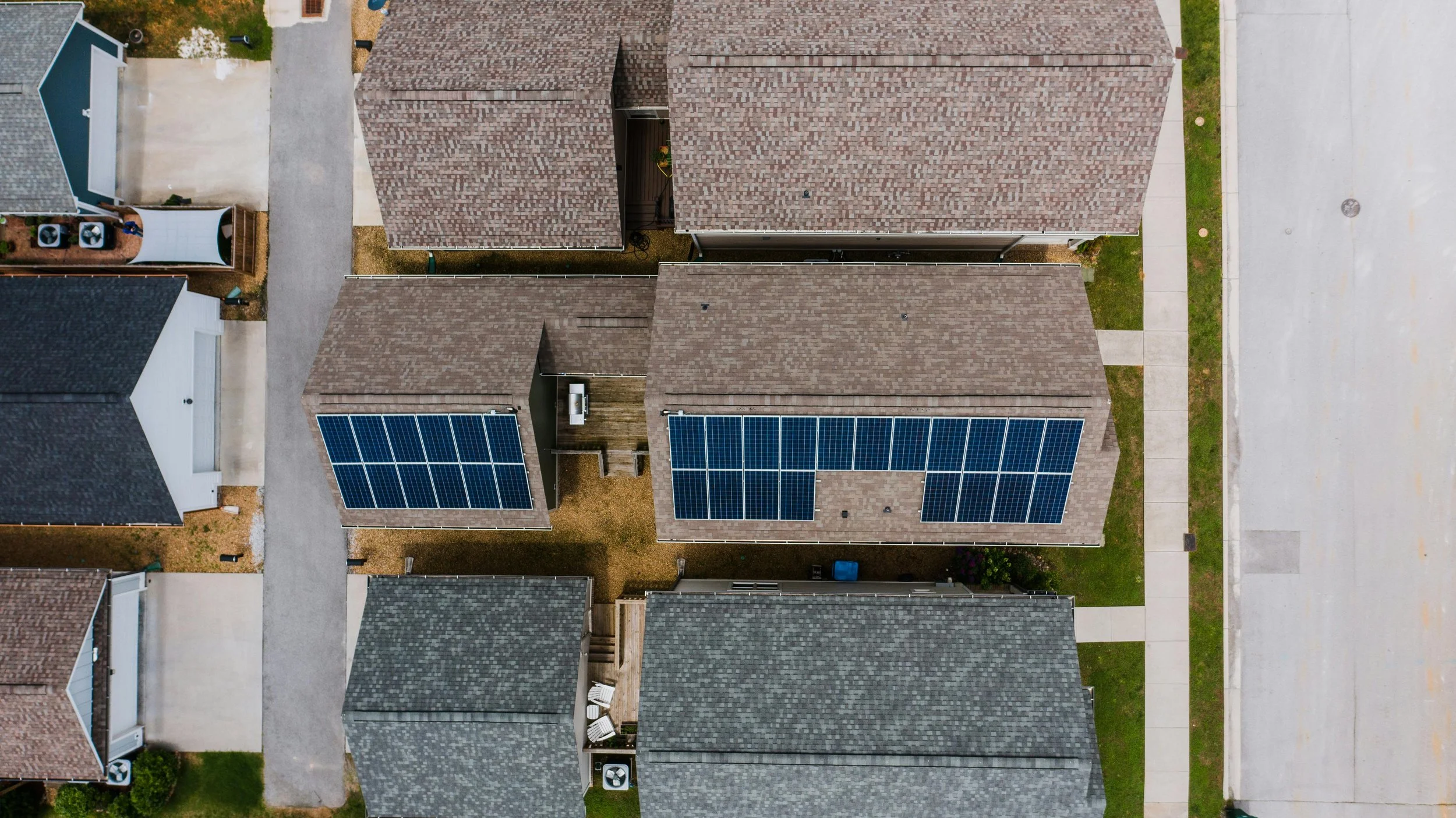
Start with System Size
The most obvious factor influencing solar energy production is system size, measured in kilowatts (kW). Larger systems generate more electricity because they include more panels.
For example:
A 3kW system may produce around 10–12 kWh per day
A 6.6kW system may produce 24–28 kWh per day
A 10kW system may produce 35–45+ kWh per day
These figures vary, but they provide a useful baseline. If your household uses more electricity — perhaps due to air conditioning, electric vehicles, or a home office — a larger system may be more suitable.
Location Makes a Big Difference
Where you live plays a major role in solar output. Areas with higher sunshine levels naturally generate more electricity.
For instance, homes in sunnier regions often benefit from stronger, more consistent production compared to cooler or cloudier climates. Even within the same country, output can vary significantly depending on latitude, seasonal daylight hours, and local weather patterns.
This is why installers calculate solar potential using historical sunshine data specific to your postcode, rather than relying on generic estimates.
Weather and Seasonal Conditions
Contrary to popular belief, solar panels do not need constant heat to work. They rely on sunlight, not temperature. In fact, extreme heat can slightly reduce panel efficiency.
Here’s how weather affects production:
Sunny days: Maximum output
Cloudy days: Reduced, but still productive
Rainy days: Lower generation, though rain can help clean panels
Winter: Shorter daylight hours mean less total output
Modern panels are surprisingly effective in diffuse light, meaning they continue generating electricity even when skies aren’t perfectly clear.
Panel Orientation and Tilt
How and where panels are installed also impacts performance. Orientation determines how much sunlight they receive throughout the day.
In the UK and most of the Southern Hemisphere, panels typically perform best when facing north or south respectively, depending on geography, with a tilt angle that matches the roof’s slope.
Shading from trees, neighbouring buildings, or chimneys can also reduce production. Even partial shade on one panel may affect the performance of others, which is why careful placement is essential.
What Can You Expect Realistically?
As a general guide, a well-installed residential solar system can cover 50–80% of a typical household’s electricity needs, sometimes more when paired with battery storage or smart energy habits.
Monitoring apps now make it easy to track daily production, helping homeowners see exactly how much energy they’re generating and saving.
Final Thoughts
So, how much energy can solar panels really produce? The answer depends on your system size, location, weather, and installation setup. With the right design and professional installation, solar can deliver reliable, clean energy for decades — significantly lowering both bills and environmental impact.
Understanding these factors ensures you get the most from your investment and makes your transition to solar both smart and sustainable.
Get in touch today to start our journey together.
Stay committed!
Damien Frearson