
The Different Types of Solar Panels Explained: Monocrystalline vs Polycrystalline vs Thin-Film
Choosing the right solar panels is one of the most important decisions when investing in a solar energy system. With several technologies available, it can be difficult to know which option best suits your home, budget, and energy goals. This guide breaks down the three main types of solar panels—monocrystalline, polycrystalline, and thin-film—so you can make an informed choice with confidence.
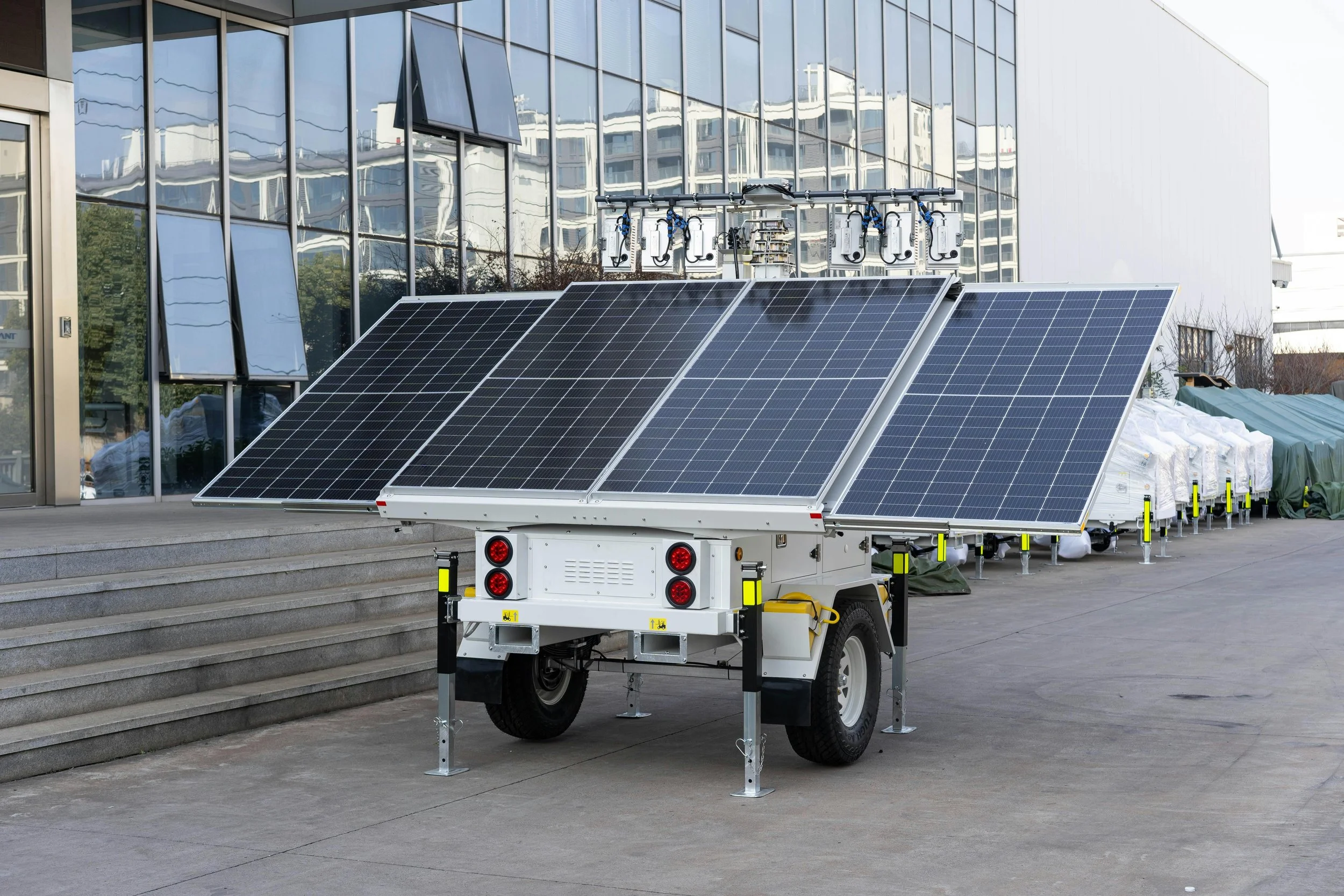
Monocrystalline Solar Panels: High Efficiency, Premium Performance
Monocrystalline panels are made from a single, pure silicon crystal, giving them a distinctive dark, uniform appearance. This manufacturing process allows electrons to move more freely, resulting in higher efficiency levels.
Efficiency: Typically between 19% and 22%, making them the most efficient option on the market.
Lifespan: 25–30 years, often backed by strong performance warranties.
Cost: Higher upfront cost due to the refined manufacturing process.
Best for: Homes with limited roof space or those looking to maximise energy production from a smaller system.
Monocrystalline panels are ideal for homeowners who want long-term performance, high energy output, and a sleek visual finish.
Polycrystalline Solar Panels: Cost-Effective and Reliable
Polycrystalline panels are created by melting multiple silicon crystals together. This gives them a blue, speckled appearance and a slightly lower efficiency compared to monocrystalline panels.
Efficiency: Generally ranges from 15% to 18%.
Lifespan: Around 25 years with consistent performance over time.
Cost: More affordable upfront, making them a popular budget-friendly choice.
Best for: Larger roofs where space is not limited and cost savings are a priority.
While they may not produce as much energy per square metre, polycrystalline panels remain a dependable and economical solution for many households.
Thin-Film Solar Panels: Flexible and Lightweight
Thin-film panels are made by layering photovoltaic material onto surfaces such as glass, metal, or plastic. They are lighter and more flexible than silicon-based panels, offering unique installation options.
Efficiency: Usually between 10% and 13%.
Lifespan: Shorter lifespan of 10–20 years compared to crystalline panels.
Cost: Lower manufacturing costs, though more panels are required to meet energy needs.
Best for: Commercial buildings, unconventional roof structures, or installations where weight and flexibility matter.
Thin-film panels perform better in low-light and high-temperature conditions, but they require more space to produce the same amount of energy.
Which Solar Panel Type Is Right for You?
The best solar panel for your home depends on your priorities. If efficiency and longevity matter most, monocrystalline panels are a strong investment. If affordability is key and you have plenty of roof space, polycrystalline panels offer excellent value. For specialised applications or large-scale projects, thin-film panels provide flexibility and adaptability.
Final Thoughts
Understanding the differences between monocrystalline, polycrystalline, and thin-film solar panels makes it easier to choose a system that fits your energy needs and lifestyle. By considering efficiency, lifespan, cost, and installation requirements, you can confidently invest in solar technology that delivers reliable, clean energy for years to come.
Get in touch today to start our journey together.
Stay committed!
Damien Frearson