
Renewable vs Non-Renewable Energy: Key Differences and Long-Term Impacts
Energy powers almost every part of modern life — from lighting our homes to running businesses and industries. Yet not all energy sources are created equal. As conversations around sustainability grow, many people are asking the same question: what’s the difference between renewable and non-renewable energy, and which is better for the future?
Understanding the key differences can help households, organisations, and governments make smarter, more responsible choices. Let’s break it down clearly and simply.
What Is Renewable Energy?
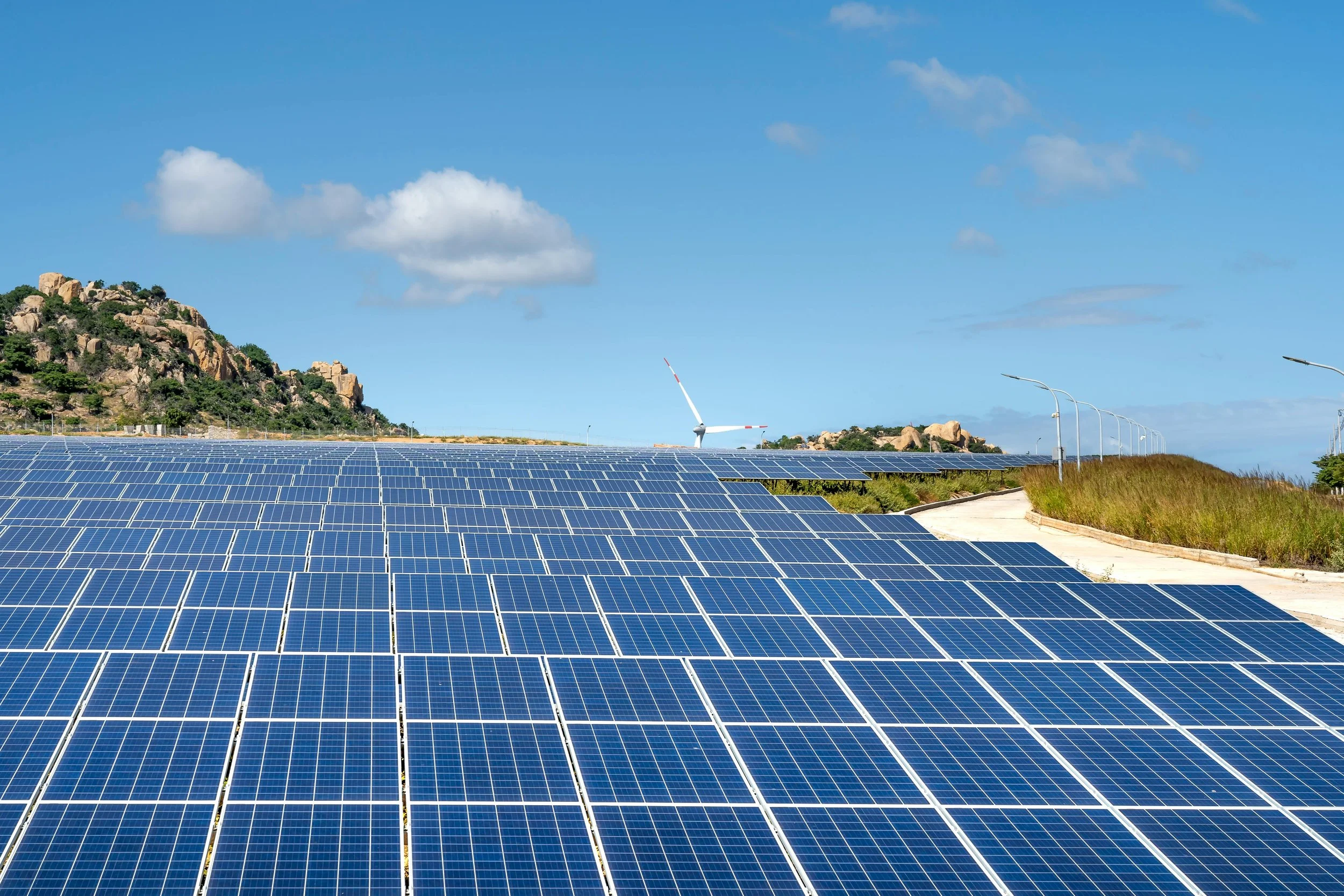
Renewable energy comes from naturally replenished resources that won’t run out on a human timescale. These sources regenerate continuously and produce little to no greenhouse gas emissions during operation.
Common renewable sources include:
Solar power
Wind energy
Hydropower
Geothermal energy
Biomass
Because these resources are constantly renewed by nature, they offer a long-term, sustainable solution to global energy demand.
What Is Non-Renewable Energy?
Non-renewable energy relies on finite resources that take millions of years to form. Once used, they cannot be easily replaced.
Examples include:
Coal
Oil
Natural gas
Nuclear fuel
While these sources have historically powered industrial growth, they come with environmental and supply challenges that are becoming harder to ignore.
A Side-by-Side Comparison
Resources
Renewable energy uses unlimited natural flows such as sunlight and wind. Non-renewables depend on stored fuels that will eventually deplete. As reserves shrink, extraction becomes more expensive and environmentally damaging.
Costs
Renewable technologies often have higher upfront installation costs, but lower ongoing expenses. Once installed, solar panels or wind turbines use free natural resources.
Non-renewables may appear cheaper initially, but fuel costs, price volatility, and long-term maintenance add up. Over time, renewables are increasingly the more economical option.
Reliability
Non-renewable plants provide steady, controllable output, which has traditionally made them reliable. However, they are vulnerable to supply disruptions and price fluctuations.
Renewables can vary with weather conditions, but modern battery storage, smart grids, and diversified energy mixes are improving reliability rapidly.
Environmental Impact
This is where the biggest difference lies. Renewable energy produces minimal emissions and significantly reduces air and water pollution.
Non-renewables release large amounts of carbon dioxide and other pollutants, contributing to climate change, poor air quality, and ecosystem damage. Mining and drilling also have lasting environmental consequences.
Long-Term Impacts on Society
The long-term effects of energy choices extend beyond electricity bills. Cleaner energy improves public health, reduces environmental risks, and supports energy independence. Communities benefit from local job creation and stable pricing.
By contrast, continued reliance on fossil fuels increases carbon emissions, accelerates climate change, and creates economic uncertainty linked to fluctuating fuel markets.
Transitioning to renewables is not just an environmental decision — it’s a strategic and economic one.
Final Thoughts
Renewable and non-renewable energy sources serve the same purpose, but their long-term impacts are very different. Renewables offer sustainability, stable costs, and lower environmental harm, while non-renewables face resource limits and significant emissions.
As technology advances and costs continue to fall, renewable energy is becoming the smarter, cleaner choice for powering our future. Making informed energy decisions today helps create a more resilient and sustainable world tomorrow.
Get in touch today to start our journey together.
Stay committed!
Damien Frearson