
Understanding Solar Inverters: String, Microinverters, and Hybrid Systems
When people think about solar power, they often picture panels on a roof. Yet one of the most important components of any solar energy system is the solar inverter. Without it, your panels cannot power your home or business.
In simple terms, solar panels generate direct current (DC) electricity. However, most properties use alternating current (AC) electricity. A solar inverter converts DC into usable AC power. Choosing the right inverter type can significantly affect efficiency, monitoring, and long-term performance.
Let’s explore how solar inverters work and which option may suit your setup.
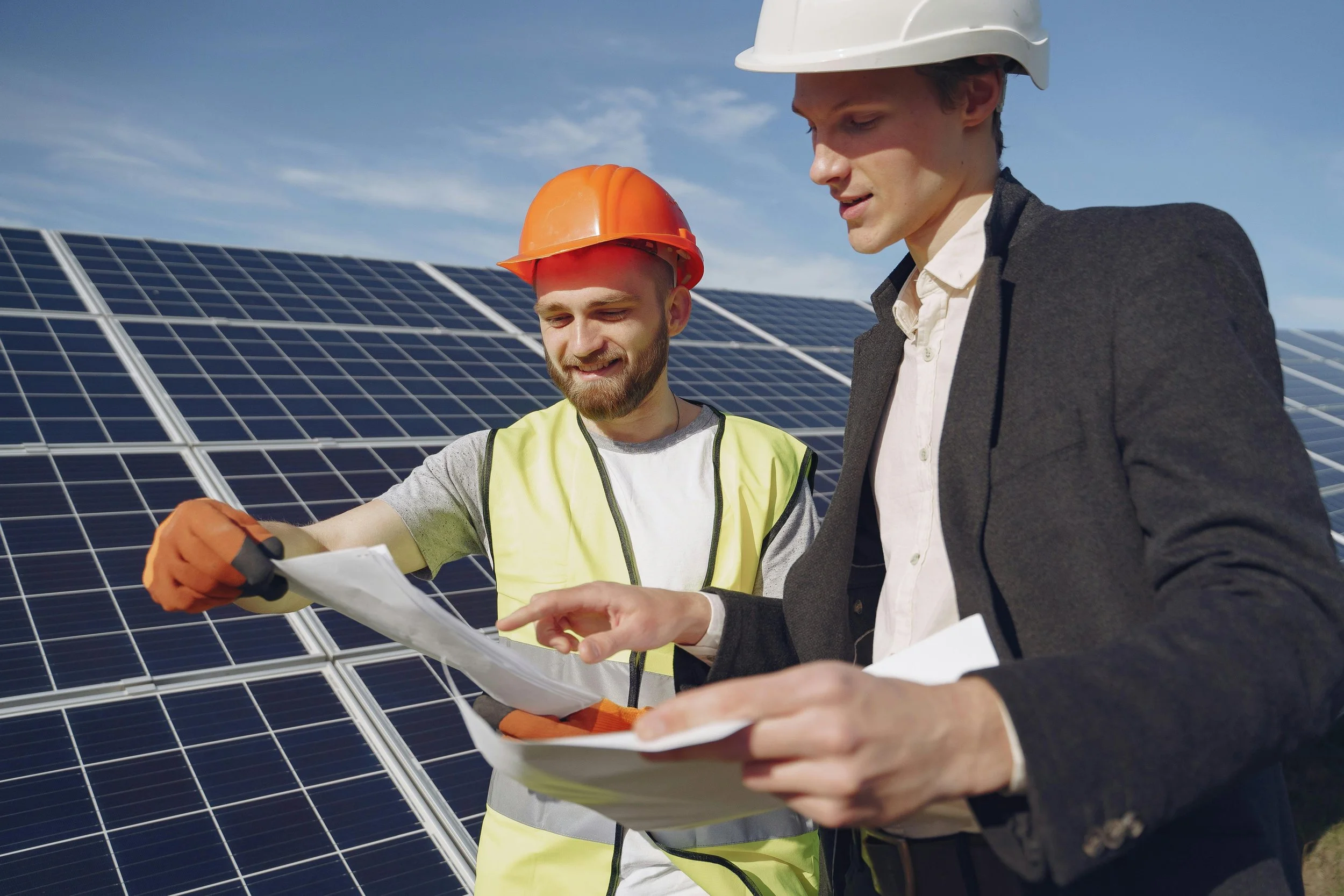
How Does a Solar Inverter Work?
Solar panels absorb sunlight and convert it into DC electricity. This electricity flows to the inverter, which converts it into AC electricity that can power appliances, lighting, and devices.
Modern inverters also:
Monitor system performance
Optimise energy output
Provide safety shutdown features
Connect to the grid or battery storage
Because the inverter manages energy conversion and performance, it is often described as the “brain” of a solar system.
String Inverters: Simple and Cost-Effective
String inverters are the most traditional and widely used option. In this setup, multiple solar panels are connected in a series (or “string”) and feed electricity into one central inverter.
Benefits:
Lower upfront cost
Simple installation
Reliable and proven technology
Considerations:
Performance depends on the weakest panel in the string
Shading on one panel can reduce output across the entire system
String inverters work best for homes with unshaded roofs and panels facing the same direction. They are an excellent choice for straightforward installations where cost efficiency is a priority.
Microinverters: Maximum Performance and Flexibility
Unlike string systems, microinverters are installed on each individual panel. This means every panel operates independently.
Benefits:
Improved performance in shaded conditions
Panel-level monitoring
Greater design flexibility
Considerations:
Higher upfront cost
More components installed on the roof
Microinverters are ideal for roofs with partial shading, multiple angles, or complex layouts. Because each panel functions independently, shading or debris on one panel does not affect the rest of the system.
Hybrid Inverters: Solar and Battery Combined
Hybrid inverters combine solar power generation with battery storage management. They allow homeowners to store excess energy for use later, rather than exporting it all to the grid.
Benefits:
Built-in battery compatibility
Energy independence
Future-ready design
Considerations:
Higher initial investment
May require additional storage hardware
Hybrid systems are well suited to households looking to maximise self-consumption or prepare for future battery installation.
Which Solar Inverter Is Right for You?
The best solar inverter depends on your roof layout, budget, and long-term goals.
Choose a string inverter for simple, unshaded installations.
Opt for microinverters if shading or roof complexity is a concern.
Consider a hybrid inverter if you plan to integrate battery storage.
Final Thoughts
Solar inverters play a vital role in transforming sunlight into usable electricity. By understanding the differences between string, microinverters, and hybrid systems, you can make a confident, informed decision.
A well-chosen inverter not only improves performance but also ensures your solar investment delivers reliable, efficient energy for years to come.
Get in touch today to start our journey together.
Stay committed!
Damien Frearson