
As demand for renewable energy grows, finding suitable land for solar installations is becoming increasingly important. At the same time, agricultural land remains essential for food production. But what if the same land could support both?
This is the idea behind agrivoltaics, an innovative approach that combines solar electricity generation with agricultural activities. By allowing solar panels and farming to share space, agrivoltaic systems offer opportunities to improve land productivity while supporting sustainable energy production.
What Is Agrivoltaics?
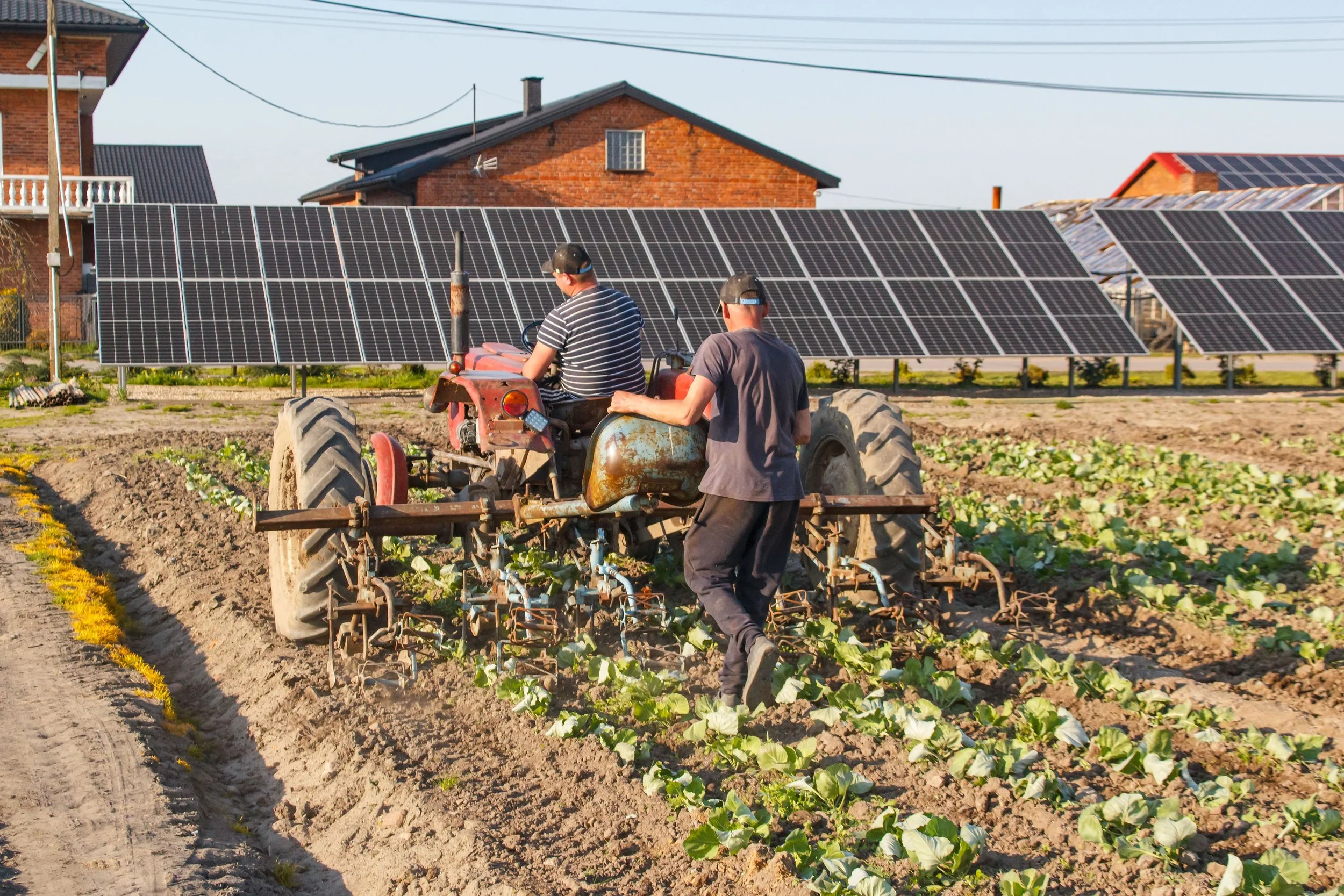
Agrivoltaics, sometimes called dual-use solar farming, involves installing solar panels on land that continues to be used for agriculture.
Unlike conventional solar farms, which may limit other land uses, agrivoltaic systems are designed to accommodate crops, livestock, or other farming activities alongside electricity generation.
Solar panels may be elevated above crops, arranged in wider rows, or positioned to allow farming equipment to operate between them.
The goal is to balance agricultural productivity with renewable electricity production.
How Solar Panel Placement Affects Crop Growth
One of the most important considerations in agrivoltaic system design is how solar panels influence the amount of sunlight reaching crops.
Panels create shaded areas that can reduce heat stress and excessive sunlight exposure. This may benefit certain crops, particularly in hot or dry climates.
However, different plants have different sunlight requirements. While some crops can tolerate partial shade, others need direct sunlight to grow effectively.
Too much shading may reduce photosynthesis, slow plant development, or lower crop yields.
For this reason, panel height, spacing, orientation, and tracking systems must be carefully planned around the crops being grown.
Can Agrivoltaics Improve Soil Moisture?
Solar panels can influence the conditions beneath and around them by reducing direct sunlight and changing local temperatures.
In some environments, partial shading can lower soil evaporation, helping the ground retain moisture for longer.
This may reduce irrigation requirements for certain crops, especially in regions experiencing high temperatures or water scarcity.
However, results vary depending on climate, soil conditions, crop type, and panel arrangement. Solar panels can also change how rainfall reaches the ground, potentially creating uneven moisture distribution.
Careful water management remains essential.
Making Better Use of Agricultural Land
A major advantage of agrivoltaics is the potential to generate two valuable outputs from the same area: food and electricity.
Farmers may benefit from additional income through solar electricity generation or land-use agreements while continuing agricultural production.
Agrivoltaic systems can also support grazing, with livestock helping manage vegetation beneath suitable solar installations.
However, higher combined land productivity does not necessarily mean every crop will produce the same yield as it would without solar panels.
Successful projects consider the combined value of agricultural output and electricity generation.
What Are the Challenges of Agrivoltaics?
Despite its potential, agrivoltaics involves several practical trade-offs.
Elevated mounting structures, wider panel spacing, and specialised equipment can increase installation costs. System design must also accommodate agricultural machinery, maintenance access, and farm operations.
In some cases, prioritising crop sunlight may reduce solar electricity generation per hectare compared with a conventional solar farm.
Balancing these competing needs is essential for long-term success.
Agrivoltaics offers a promising way to bring renewable energy and agriculture together without requiring completely separate areas of land.
By carefully managing panel placement, crop selection, and water use, these systems can support both food production and clean electricity generation.
While agrivoltaics is not suitable for every farm or crop, thoughtful design and ongoing research could make it an increasingly valuable part of sustainable land management.
Get in touch today to start our journey together.
Stay committed!
Damien Frearson