
Installing solar panels is an effective way to generate clean electricity and reduce reliance on the grid. However, producing solar energy is only part of the equation. How much of that electricity you actually use can have a significant impact on your energy savings.
This is where solar self-consumption comes in. Understanding how it works can help households make better use of their solar systems and potentially reduce their electricity bills.
What Is Solar Self-Consumption?
Solar self-consumption refers to the amount of electricity generated by your solar panels that is used directly within your home, rather than exported to the electricity grid.
For example, when your solar panels generate electricity during the day, that energy can power appliances, lighting, and other household devices.
If your home uses less electricity than your panels produce, the excess energy may be exported to the grid, depending on your system configuration.
The more solar electricity you use on-site, the higher your self-consumption rate.
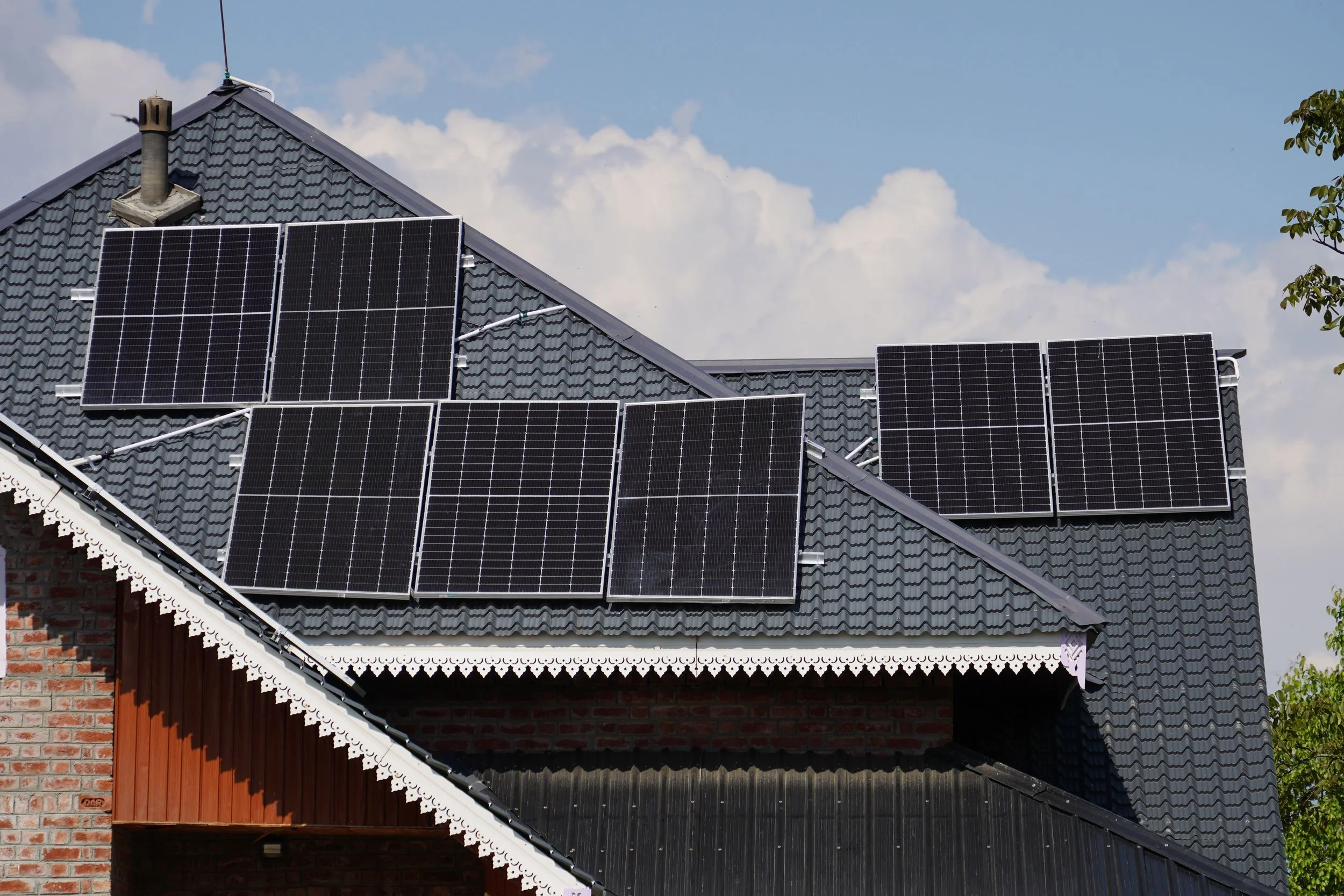
Solar Self-Consumption vs Grid Export
The main difference between solar self-consumption and grid export is where the electricity goes.
Self-consumed solar energy is used within your home, reducing the amount of electricity you need to purchase from your energy provider.
Exported solar energy, on the other hand, is sent to the grid when your system generates more electricity than your household needs.
Some electricity retailers offer feed-in tariffs that provide credits for exported solar energy. However, these rates are often lower than the price households pay to purchase electricity from the grid.
As a result, using more of your solar electricity directly can offer greater financial value than exporting it, depending on your electricity plan.
How Is Solar Self-Consumption Calculated?
Your solar self-consumption rate measures the percentage of generated solar electricity that is used on-site.
The basic formula is:
Solar Self-Consumption Rate = (Solar Energy Used On-Site ÷ Total Solar Energy Generated) × 100
For example, if your solar system generates 20 kWh of electricity in one day and your household uses 12 kWh of that solar electricity, your self-consumption rate is 60%.
The remaining 8 kWh may be exported to the grid if it is not stored or otherwise used.
Why Does Solar Self-Consumption Matter?
A higher self-consumption rate can help households maximise the financial benefits of their solar systems.
Using solar electricity directly reduces reliance on purchased grid electricity, which may lower energy bills.
It can also improve the value of your solar investment by ensuring more of the electricity generated contributes directly to household needs.
However, a higher percentage does not always mean greater total savings. Electricity prices, feed-in tariffs, and overall energy consumption also influence financial outcomes.
How to Increase Solar Self-Consumption
There are several practical ways to make better use of your solar electricity.
Run appliances during daylight hours. Schedule washing machines, dishwashers, and other energy-intensive appliances when solar production is higher.
Use smart timers and energy management systems. Automated controls can help align electricity consumption with solar generation.
Consider battery storage. A home battery can store surplus solar electricity for use later, although installation costs should be considered.
Monitor your energy usage. Solar monitoring tools can help identify opportunities to shift electricity consumption to daylight hours.
Solar self-consumption plays an important role in getting the most value from a residential solar energy system.
By understanding the difference between using solar electricity directly and exporting it to the grid, households can make more informed decisions about their energy habits.
With thoughtful planning, smart technology, and better energy management, homeowners can increase solar self-consumption, reduce grid dependence, and make their solar investment work harder for them.
Get in touch today to start our journey together.
Stay committed!
Damien Frearson