
What Is Solar Irradiance and Why Does It Matter for Energy Production?
When discussing solar energy, terms such as solar panels, peak sun hours, and system efficiency are often mentioned. However, one of the most important factors influencing solar performance is solar irradiance. Understanding solar irradiance helps explain why some locations generate more solar energy than others and why sunlight intensity plays a critical role in system design.
In this blog, we break down what solar irradiance is, how it is measured, and why it matters for energy production.
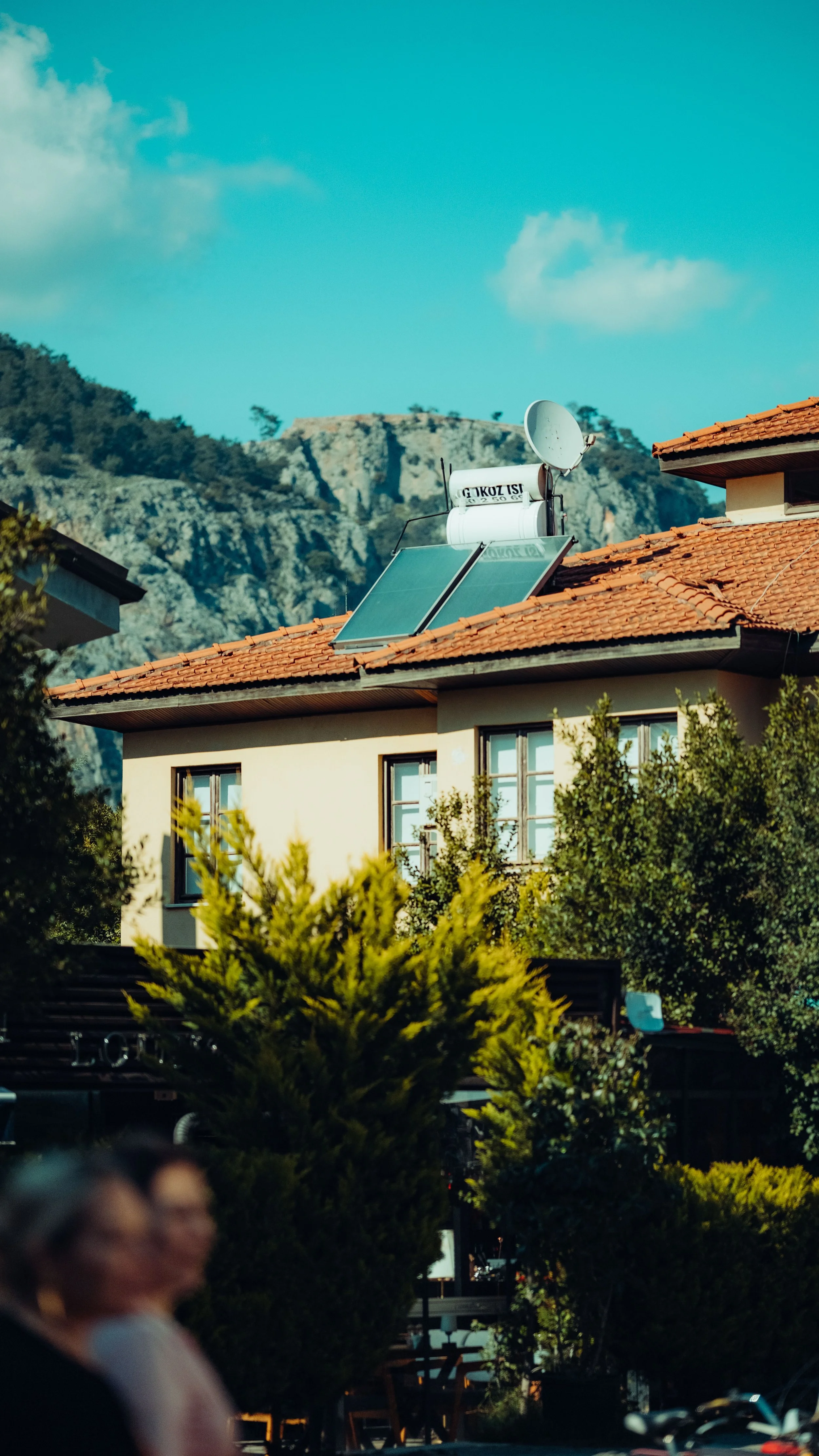
What Is Solar Irradiance?
Solar irradiance refers to the amount of solar power received from the sun on a specific surface area at a given moment. In simple terms, it measures the intensity of sunlight reaching the Earth's surface.
The stronger the sunlight, the higher the solar irradiance. Since solar panels convert sunlight into electricity, irradiance directly affects how much energy a solar system can produce.
Unlike daylight hours, which measure the length of time the sun is visible, solar irradiance focuses on the strength and concentration of sunlight available for energy generation.
How Is Solar Irradiance Measured?
Solar irradiance is typically measured in watts per square metre (W/m²). This unit indicates how much solar energy is reaching a square metre of surface area at a particular time.
Under standard testing conditions, solar panels are evaluated using an irradiance level of 1,000 W/m². This benchmark helps manufacturers provide consistent performance ratings for their products.
Specialised instruments known as pyranometers are commonly used to measure solar irradiance. These devices help researchers, installers, and energy providers assess solar resource availability and system performance.
Why Solar Irradiance Matters for Solar Energy Production
Solar irradiance is one of the primary factors that determine how much electricity a solar panel can generate. Higher irradiance levels mean more sunlight is available for conversion into electricity.
For example, a solar panel exposed to strong midday sunlight will typically produce more energy than the same panel operating during early morning or late afternoon when irradiance levels are lower.
This is why solar energy production varies throughout the day and across different seasons. The amount of sunlight available changes constantly, influencing overall system output.
Factors That Affect Solar Irradiance
Several environmental factors can influence solar irradiance levels:
Weather Conditions
Cloud cover, rain, fog, and atmospheric pollution can reduce the amount of sunlight reaching solar panels. Clear skies generally result in higher irradiance and increased energy production.
Geographic Location
Regions closer to the equator often receive higher levels of solar irradiance throughout the year. Latitude plays a major role in determining sunlight intensity and availability.
Time of Day
Solar irradiance is typically highest around midday when the sun is positioned most directly overhead. It gradually decreases during the morning and afternoon.
Panel Orientation and Tilt
Properly positioned solar panels can capture more sunlight and benefit from higher irradiance levels. Installers carefully calculate panel angles to maximise exposure.
Solar Irradiance and System Design
Solar installers use irradiance data to design systems that match a property's energy requirements. By analysing local sunlight intensity, they can estimate expected energy production and determine the ideal system size.
This information helps ensure solar installations are both efficient and cost-effective. It also allows businesses and homeowners to set realistic expectations regarding energy generation and savings.
Solar irradiance is a fundamental concept in solar energy production. By measuring the intensity of sunlight reaching a surface, it provides valuable insight into how much electricity a solar system can generate.
Understanding solar irradiance helps homeowners, businesses, and energy professionals make informed decisions about system design, performance expectations, and long-term energy planning. As solar technology continues to grow in popularity, recognising the role of sunlight intensity is essential for maximising the benefits of renewable energy.
Get in touch today to start our journey together.
Stay committed!
Damien Frearson