
What Is a Solar Performance Ratio (PR)?
Installing a solar energy system is a significant investment, so it is important to understand how well your system is performing over time. While many people focus on the amount of electricity their solar panels generate, there is another key metric that provides a more complete picture of system efficiency: the Solar Performance Ratio (PR).
Performance Ratio, commonly known as PR, is widely used by solar professionals to evaluate how effectively a solar energy system converts available sunlight into usable electricity. In this blog, we explain what PR is, how it is measured, and why it matters for homeowners and businesses alike.
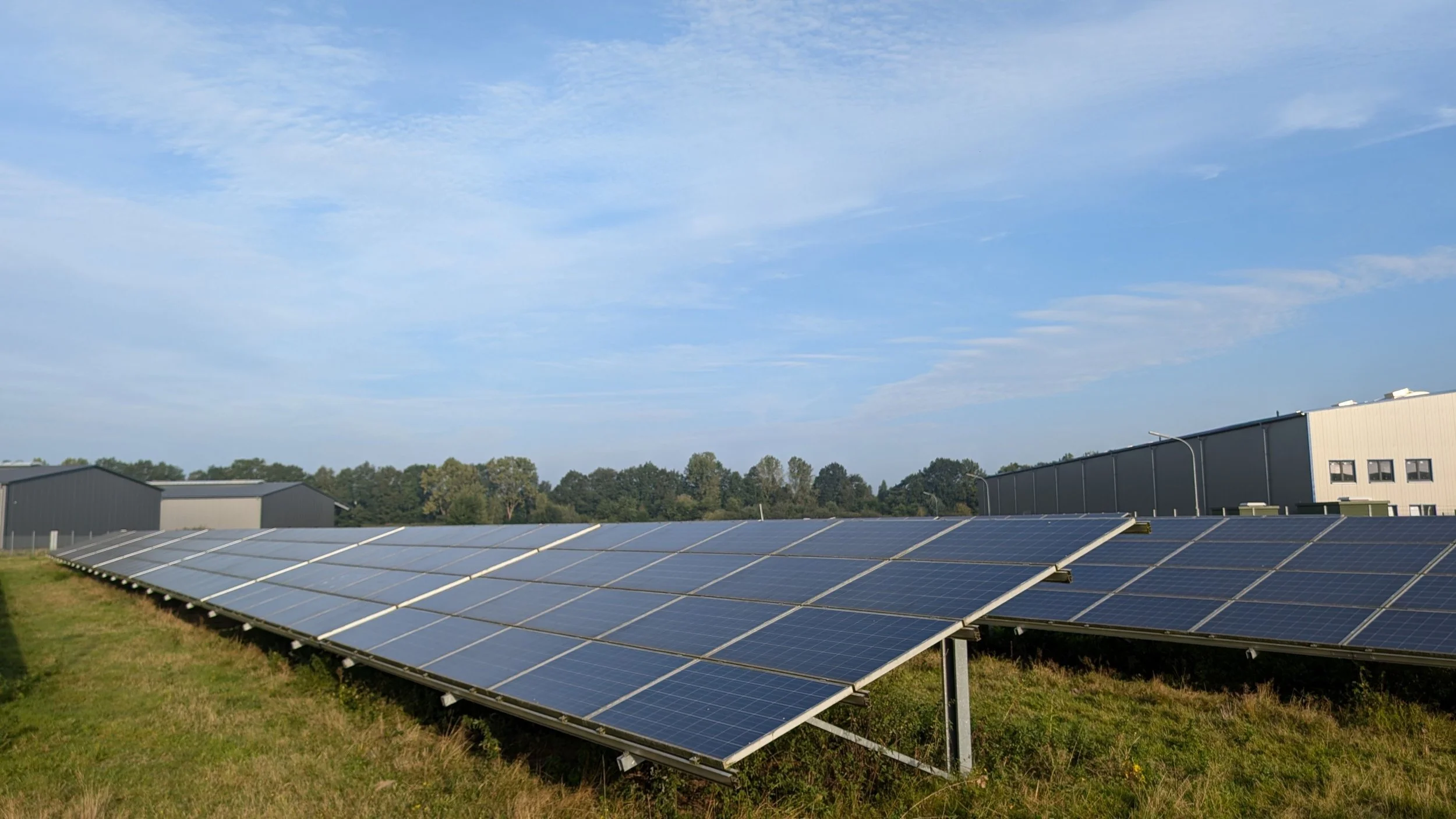
What Is Solar Performance Ratio?
Solar Performance Ratio (PR) is a percentage that measures the overall efficiency of a solar energy system under real-world operating conditions.
Rather than simply looking at the total amount of electricity generated, PR compares the system's actual energy output with the maximum output that could be expected based on the available sunlight.
This makes PR one of the most reliable indicators of how efficiently a solar installation is performing, regardless of its size or location.
How Is Performance Ratio Calculated?
The Performance Ratio is determined by comparing the electricity a solar system produces with the amount of solar irradiance it receives.
In simple terms, the calculation considers:
The actual electricity generated by the system
The amount of sunlight available
The system's rated capacity
The result is expressed as a percentage. For example, if a solar installation has a PR of 85%, it means the system is converting 85% of the available solar energy into usable electricity after accounting for normal operational losses.
Why Is PR Important?
Performance Ratio provides valuable insight into the health and efficiency of a solar system. Unlike energy production alone, it accounts for environmental conditions, making it easier to compare performance over time or between different installations.
Monitoring PR helps system owners:
Measure overall system efficiency
Detect unexpected performance drops
Identify maintenance requirements
Assess the quality of system design and installation
Maximise long-term energy production
For commercial solar projects, PR is also commonly used to evaluate operational performance and return on investment.
What Factors Affect Performance Ratio?
No solar energy system operates at 100% efficiency. Several factors naturally reduce the amount of usable electricity generated.
Temperature
High temperatures can reduce solar panel efficiency by lowering the voltage produced by photovoltaic cells.
Inverter Losses
Solar panels generate direct current (DC), which must be converted into alternating current (AC) by an inverter. During this conversion process, a small amount of energy is lost.
Dirt and Debris
Dust, leaves, bird droppings, and other debris can partially block sunlight, reducing energy production if panels are not cleaned regularly.
Shading
Trees, nearby buildings, or other obstructions that cast shadows on solar panels can significantly reduce system output.
Wiring and Electrical Losses
Small amounts of electricity are naturally lost as power travels through cables and electrical components.
These factors are expected in every solar installation, which is why PR is considered a more meaningful measure than energy production alone.
What Is Considered a Good Performance Ratio?
For most modern solar energy systems, a Performance Ratio between 75% and 90% is considered excellent. The exact value depends on factors such as climate, system design, equipment quality, and operating conditions.
A consistently high PR indicates that the system is functioning efficiently and making effective use of the available sunlight.
Solar Performance Ratio (PR) is one of the most valuable metrics for evaluating the efficiency of a solar energy system. By comparing actual electricity generation with the available solar energy, PR provides a realistic measure of system performance under everyday conditions.
Whether you are a homeowner or managing a commercial solar installation, understanding PR can help you monitor efficiency, identify potential issues early, and maximise the long-term value of your investment. As solar technology continues to advance, keeping track of Performance Ratio remains an essential part of maintaining a reliable and high-performing renewable energy system.
Get in touch today to start our journey together.
Stay committed!
Damien Frearson