
What Affects Solar Panel Efficiency?
Solar panels are designed to convert sunlight into electricity as efficiently as possible. However, their performance can vary depending on several environmental and technical factors. Understanding what affects solar panel efficiency can help homeowners and businesses maximise energy production and get the most value from their solar investment.
In this guide, we explore the key factors that influence solar panel efficiency and how they impact overall energy output.
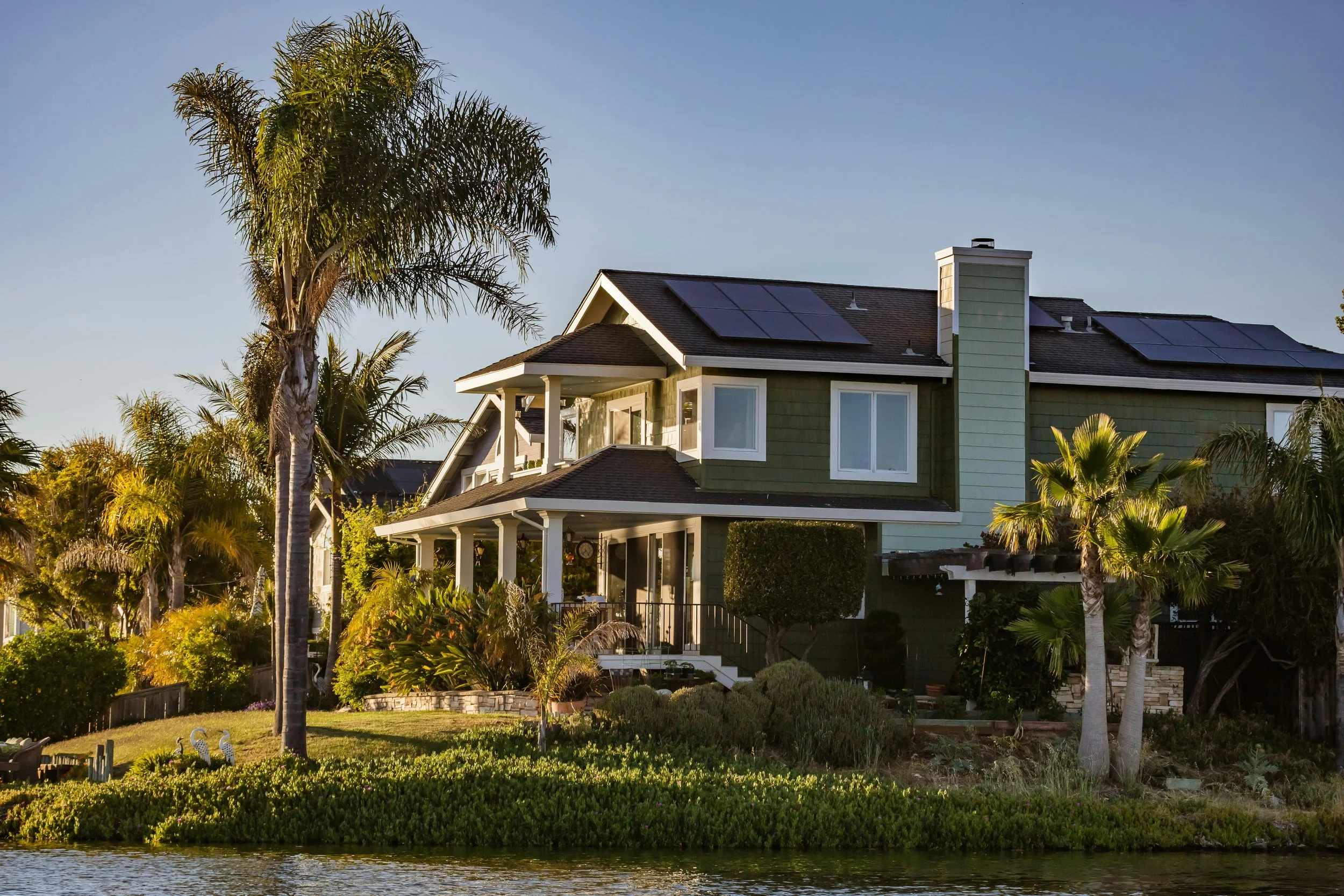
What Does Solar Panel Efficiency Mean?
Solar panel efficiency refers to the percentage of sunlight that a solar panel can convert into usable electricity. For example, a panel with 20% efficiency converts 20% of the sunlight that hits it into electrical energy.
While modern panels are highly advanced, their efficiency can still be influenced by external conditions and installation quality. Even small changes in these factors can affect the amount of power your system produces.
Temperature and Heat
It may seem surprising, but excessive heat can actually reduce solar panel efficiency.
Solar panels perform best in bright sunlight with moderate temperatures. When panels become too hot, their electrical resistance increases, which slightly lowers their ability to convert sunlight into electricity.
This does not mean solar panels do not work in hot climates. They still produce plenty of power, but their efficiency may drop slightly during extremely hot days. Proper installation with good airflow beneath the panels can help minimise heat build-up.
Shading and Obstructions
Shading is one of the most significant factors affecting solar panel performance. Even partial shade from trees, nearby buildings, or chimneys can reduce electricity production.
In traditional solar systems, shading on one panel can affect the output of the entire string of panels. Modern solutions such as microinverters or power optimisers can help reduce this issue by allowing panels to operate more independently.
Before installation, a professional site assessment ensures panels are positioned where they receive the most sunlight throughout the day.
Dirt, Dust, and Debris
Solar panels are exposed to the elements, which means dirt, dust, leaves, and bird droppings can accumulate on the surface.
A layer of debris blocks sunlight from reaching the solar cells, reducing the panel’s ability to generate electricity. Fortunately, rainfall often helps keep panels reasonably clean.
In areas with heavy dust or pollution, occasional professional cleaning may help maintain optimal performance.
Panel Quality and Technology
Not all solar panels are created equal. Higher-quality panels typically offer better efficiency, durability, and performance over time.
Premium panels often include advanced cell technologies that improve energy conversion and reduce losses caused by heat or shading. While they may cost more initially, they can produce more electricity over their lifespan, delivering better long-term value.
Choosing panels from reputable manufacturers with strong warranties is an important part of maximising efficiency.
Installation Angle and Orientation
The angle and direction of solar panels play a crucial role in their performance. Panels should ideally face the direction that receives the most sunlight during the day.
If panels are installed at an incorrect tilt or orientation, they may capture less sunlight, reducing energy output. Professional installers carefully calculate the optimal angle based on the property’s location, roof design, and seasonal sun patterns.
Proper positioning ensures your system generates the maximum amount of electricity throughout the year.
Maximising Solar Panel Performance
Solar panel efficiency depends on a combination of environmental conditions, panel quality, and installation practices. Factors such as temperature, shading, cleanliness, and installation angles all play an important role in determining how much electricity your system produces.
By choosing high-quality panels and working with experienced installers, homeowners can ensure their solar systems operate at peak efficiency for many years to come. With the right setup, solar power remains one of the most reliable and cost-effective ways to generate clean energy.
Get in touch today to start our journey together.
Stay committed!
Damien Frearson