
Understanding Peak Sun Hours: How They Influence Solar System Design
When planning a solar energy system, one of the most important concepts to understand is peak sun hours. While many people assume solar performance depends simply on how long the sun is visible each day, the reality is more nuanced. Peak sun hours provide a more accurate way to measure sunlight intensity and play a crucial role in determining system size and performance.
In this blog, we explain what peak sun hours are and how installers use them to design efficient solar systems.
What Are Peak Sun Hours?
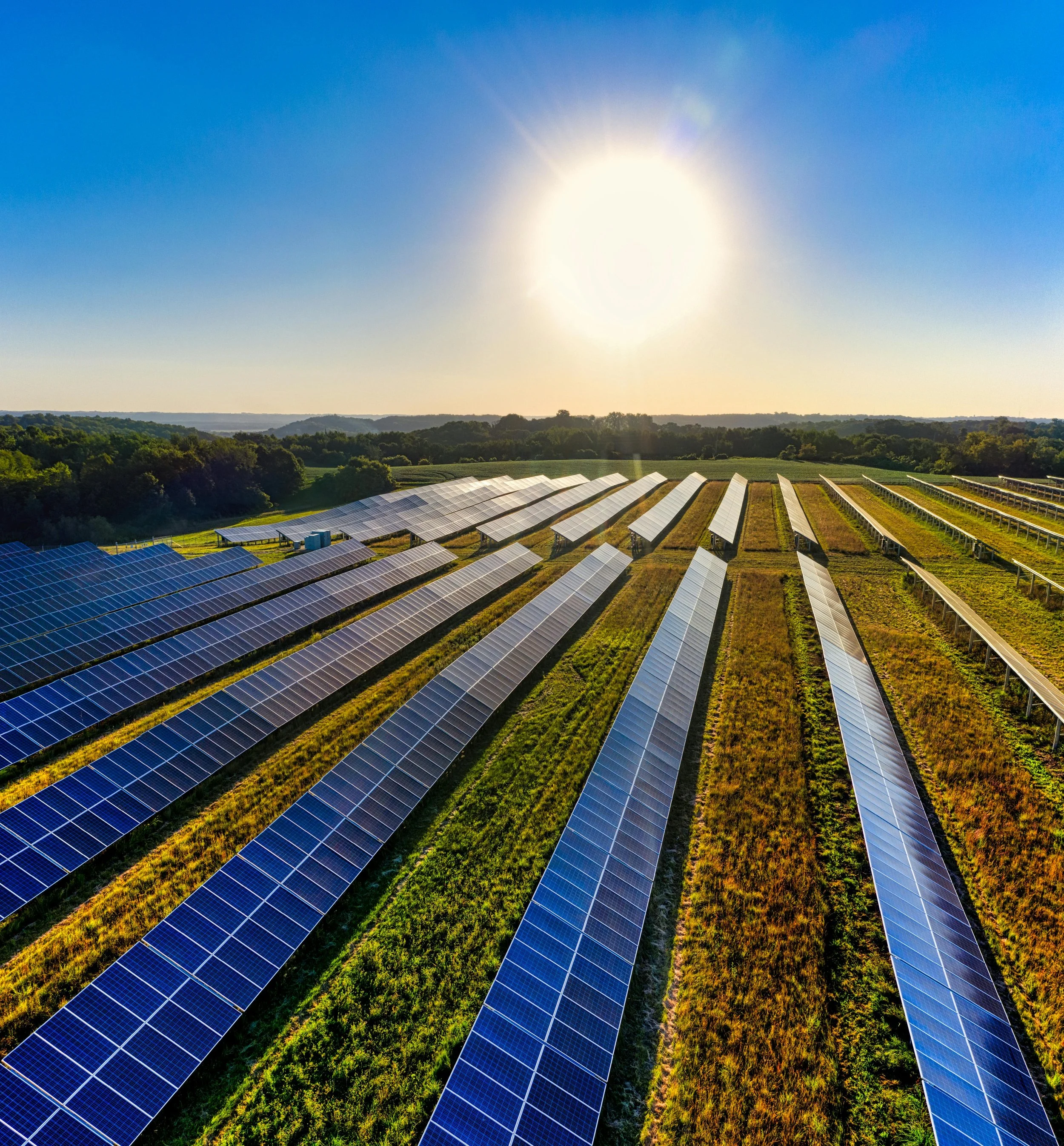
Peak sun hours refer to the number of hours in a day when sunlight intensity averages 1,000 watts per square metre. Rather than measuring total daylight hours, this metric focuses on the quality and strength of sunlight.
For example, a location may receive 10 hours of daylight, but only 4 to 6 of those hours may qualify as “peak” due to variations in sunlight intensity throughout the day. Early morning and late afternoon sunlight is typically weaker, while midday sun provides the highest energy potential.
By using peak sun hours, solar professionals can more accurately estimate how much energy a system will generate.
Why Peak Sun Hours Matter
Understanding peak sun hours is essential because it directly affects how much electricity a solar system can produce. The higher the number of peak sun hours in a location, the more energy a solar system can generate.
This means that two identical solar systems installed in different locations may produce very different outputs. A system in a sunny region with high peak sun hours will generate more electricity than the same system in a less sunny area.
For homeowners and businesses, this highlights the importance of location-specific planning when investing in solar energy.
How Installers Use Peak Sun Hours
Solar installers rely on peak sun hour data to determine the ideal system size for a property. This ensures the system can meet energy needs efficiently without being over- or under-sized.
The process typically involves:
Analysing the property’s average energy consumption (measured in kWh)
Reviewing local peak sun hour data
Calculating the system size required to generate the desired output
For example, if a home uses 20 kWh of electricity per day and the location receives 5 peak sun hours, installers can estimate the system capacity needed to produce that energy.
This approach allows for accurate system design tailored to both energy usage and environmental conditions.
Factors That Influence Peak Sun Hours
Peak sun hours can vary based on several factors, including:
Geographic location (latitude and climate)
Seasonal changes
Weather patterns such as cloud cover or rainfall
Panel orientation and tilt
Installers take these variables into account to optimise system performance. Proper positioning ensures panels capture the maximum amount of sunlight available throughout the year.
Designing for Maximum Efficiency
By understanding peak sun hours, solar systems can be designed to deliver optimal performance. Installers use this data to select the right number of panels, determine placement, and ensure efficient energy generation.
In some cases, additional components such as battery storage may be recommended to store excess energy generated during peak hours for use later in the day.
This strategic approach ensures that the system not only meets current energy needs but also provides long-term value.
Peak sun hours are a fundamental concept in solar energy design. They offer a more precise way to measure sunlight and play a key role in determining how much energy a system can produce.
By working with accurate data and experienced installers, homeowners and businesses can ensure their solar systems are properly sized and optimised for their specific location. Understanding peak sun hours is not just technical knowledge—it is the foundation for making smarter, more efficient solar investments.
Get in touch today to start our journey together.
Stay committed!
Damien Frearson