
Energy powers almost every part of modern life, from homes and businesses to transport and manufacturing. However, the way electricity is generated can have lasting effects on the environment, economy, and future energy supply.
Understanding the differences between renewable and non-renewable energy can help individuals and businesses make more informed decisions about energy use and sustainability.
What Is Renewable Energy?
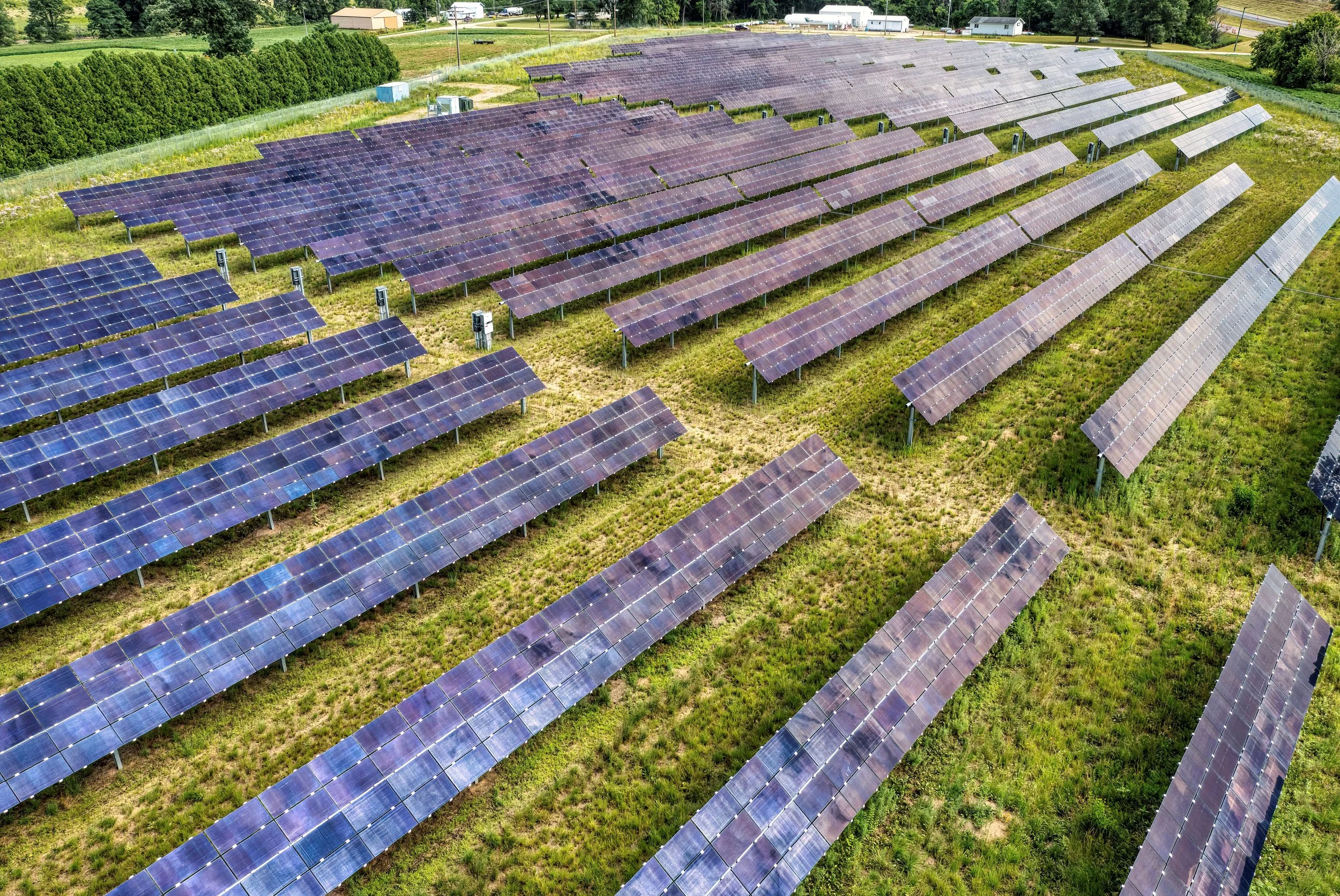
Renewable energy comes from natural sources that are replenished continuously or over relatively short periods.
Common examples include solar, wind, hydropower, geothermal energy, and sustainably sourced biomass.
Unlike fossil fuels, renewable energy sources do not depend on finite underground reserves. Many also produce electricity with little or no direct greenhouse gas emissions during operation.
However, renewable energy systems still require materials, infrastructure, and careful environmental management.
What Is Non-Renewable Energy?
Non-renewable energy comes from resources that exist in limited quantities or take millions of years to form.
These include coal, oil, natural gas, and uranium used in nuclear power generation.
Fossil fuels are widely used because they can provide energy when needed and benefit from established infrastructure.
However, burning coal, oil, and natural gas releases greenhouse gases and air pollutants. Nuclear power produces very low operational carbon emissions but requires careful management of radioactive waste.
How Do Energy Costs Compare?
The cost of generating electricity depends on technology, location, financing, and infrastructure.
Solar and wind energy have become increasingly competitive because they do not require purchased fuel during operation.
However, electricity systems with high levels of variable renewable generation may need additional investment in storage, transmission networks, and flexible power sources.
Non-renewable energy facilities may provide dependable output, but fossil fuel prices can fluctuate and influence long-term operating expenses.
Reliability and Energy Security
A reliable electricity system must balance supply and demand throughout the day.
Solar panels generate electricity when sunlight is available, while wind turbines depend on suitable wind conditions.
Battery storage, interconnected electricity networks, and a diverse mix of energy sources can help manage these variations.
Conventional power stations can often adjust their output, although they may experience outages, maintenance requirements, or fuel supply disruptions.
Long-Term Environmental Impacts
One of the biggest differences between renewable and non-renewable energy is their contribution to climate change.
Fossil fuel combustion releases carbon dioxide, a major driver of global warming.
Renewable technologies generally produce significantly lower greenhouse gas emissions over their lifecycles, although manufacturing, construction, and disposal still have environmental impacts.
Responsible material sourcing, recycling, and improved system design can help reduce these impacts further.
Final Thoughts
The transition towards cleaner energy involves balancing affordability, reliability, and environmental responsibility.
While non-renewable sources continue to support existing energy systems, renewable technologies offer opportunities to reduce emissions and dependence on finite fuels.
Understanding these differences helps households, businesses, and policymakers make informed choices that support a more sustainable energy future.
Get in touch today to start our journey together.
Stay committed!
Damien Frearson