
Sustainable Supply Chains: How Companies Reduce Environmental Impact from Production to Delivery
Sustainability is no longer a secondary consideration for modern businesses—it is a strategic priority. As consumers and stakeholders become more environmentally conscious, companies are rethinking how their products are sourced, produced, and delivered. Sustainable supply chains are at the heart of this shift, helping organisations reduce their environmental impact while improving efficiency and resilience.
In this blog, we explore how businesses are adopting sustainable practices across sourcing, transport, packaging, and ethical procurement.
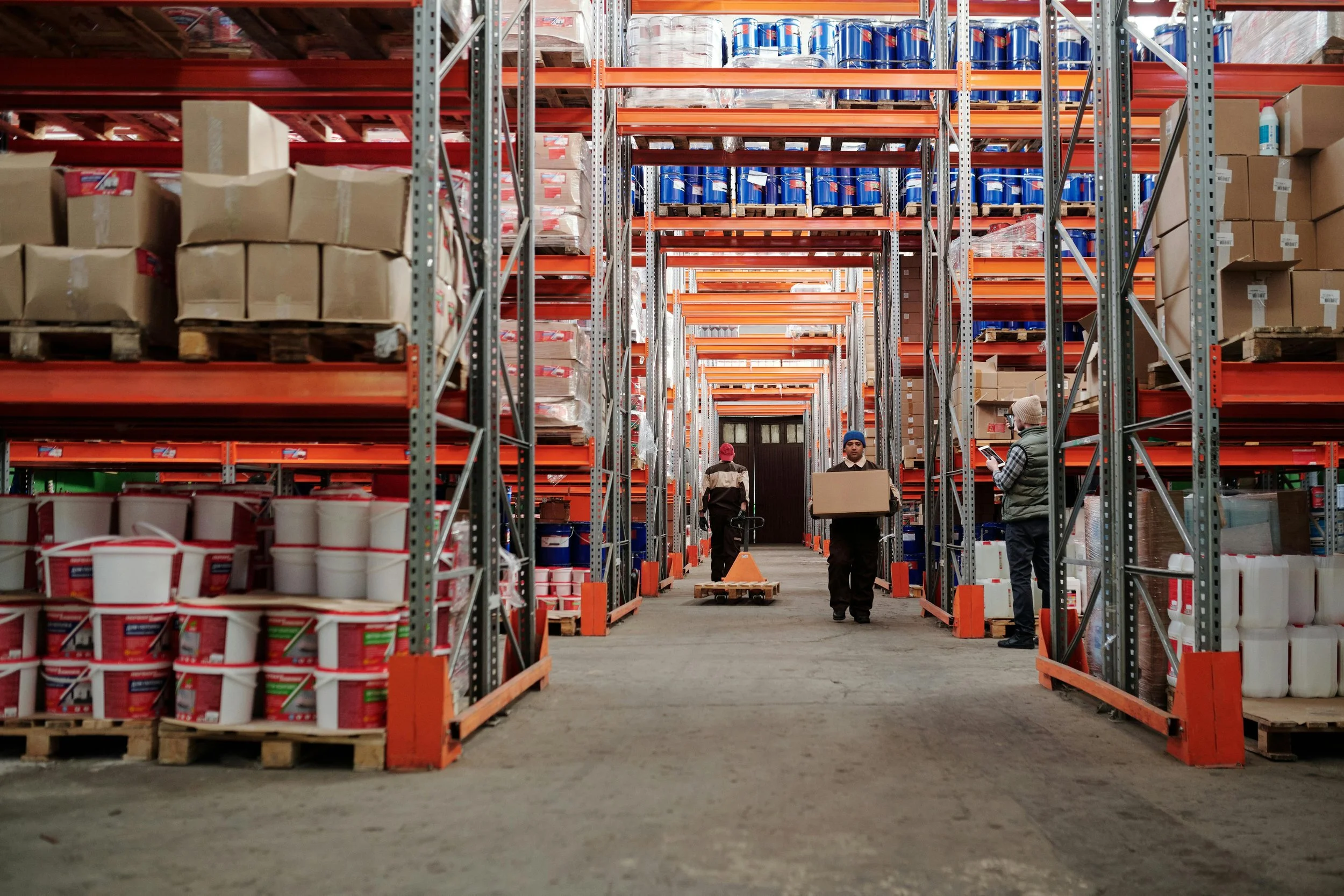
Responsible Sourcing: Building from the Ground Up
A sustainable supply chain begins with responsible sourcing. This involves selecting raw materials that are environmentally friendly, renewable, or recycled. Companies are also working closely with suppliers who follow ethical and sustainable practices.
By prioritising certified materials and transparent sourcing processes, businesses can reduce their environmental footprint from the very beginning. Responsible sourcing also supports biodiversity, minimises waste, and ensures that natural resources are used efficiently.
In addition, many organisations now conduct regular supplier audits to ensure compliance with environmental and social standards. This creates accountability and encourages continuous improvement across the supply chain.
Greener Transport and Logistics
Transport is a major contributor to carbon emissions in global supply chains. To address this, companies are exploring more efficient and environmentally friendly logistics solutions.
One approach is route optimisation, which reduces fuel consumption by identifying the most efficient delivery paths. Businesses are also shifting towards low-emission transport options, such as electric vehicles and rail freight, where possible.
Consolidating shipments and reducing unnecessary journeys can further lower emissions. For international logistics, some companies are choosing slower but more sustainable shipping methods to minimise their environmental impact.
These changes not only reduce carbon emissions but can also lead to cost savings over time.
Sustainable Packaging Solutions
Packaging plays a significant role in both product protection and environmental impact. Traditional packaging materials, particularly single-use plastics, contribute heavily to waste and pollution.
To address this, companies are investing in sustainable packaging solutions. This includes using recyclable, biodegradable, or compostable materials, as well as reducing overall packaging volume.
Innovative designs that use less material without compromising product safety are becoming increasingly common. Some businesses are also adopting reusable packaging systems, especially in e-commerce and retail sectors.
Clear labelling and consumer education further support recycling efforts, helping to extend the lifecycle of packaging materials.
Ethical Procurement and Fair Practices
Sustainability extends beyond environmental concerns—it also includes social responsibility. Ethical procurement ensures that products are sourced in a way that respects human rights, fair wages, and safe working conditions.
Companies are increasingly partnering with suppliers who align with these values. Certifications and standards, such as fair trade and ethical sourcing labels, provide assurance that products meet established criteria.
By integrating ethical considerations into procurement strategies, businesses can build trust with consumers and contribute to positive social impact.
The Business Case for Sustainable Supply Chains
Adopting sustainable supply chain practices is not just good for the environment—it is also beneficial for business. Companies that prioritise sustainability often experience improved brand reputation, stronger customer loyalty, and greater operational efficiency.
Moreover, sustainable practices can help organisations comply with evolving regulations and reduce risks associated with resource scarcity or supply disruptions.
Moving Towards a Sustainable Future
Sustainable supply chains are a crucial step towards a more responsible and resilient business model. By addressing every stage—from sourcing and production to delivery and packaging—companies can significantly reduce their environmental impact.
As sustainability continues to shape the future of business, organisations that embrace these strategies will be better positioned to thrive in a rapidly changing world.
Get in touch today to start our journey together.
Stay committed!
Damien Frearson