
Solar Tracking Systems: How Panels That Follow the Sun Increase Energy Production
As solar energy technology continues to advance, efficiency is becoming a key focus for both homeowners and businesses. One innovation gaining attention is solar tracking systems—mechanisms that allow solar panels to follow the sun’s path throughout the day. By maximising exposure to sunlight, these systems can significantly increase energy production compared to fixed installations.
In this article, we explore how solar tracking systems work, the differences between single-axis and dual-axis trackers, and where they make the most sense.
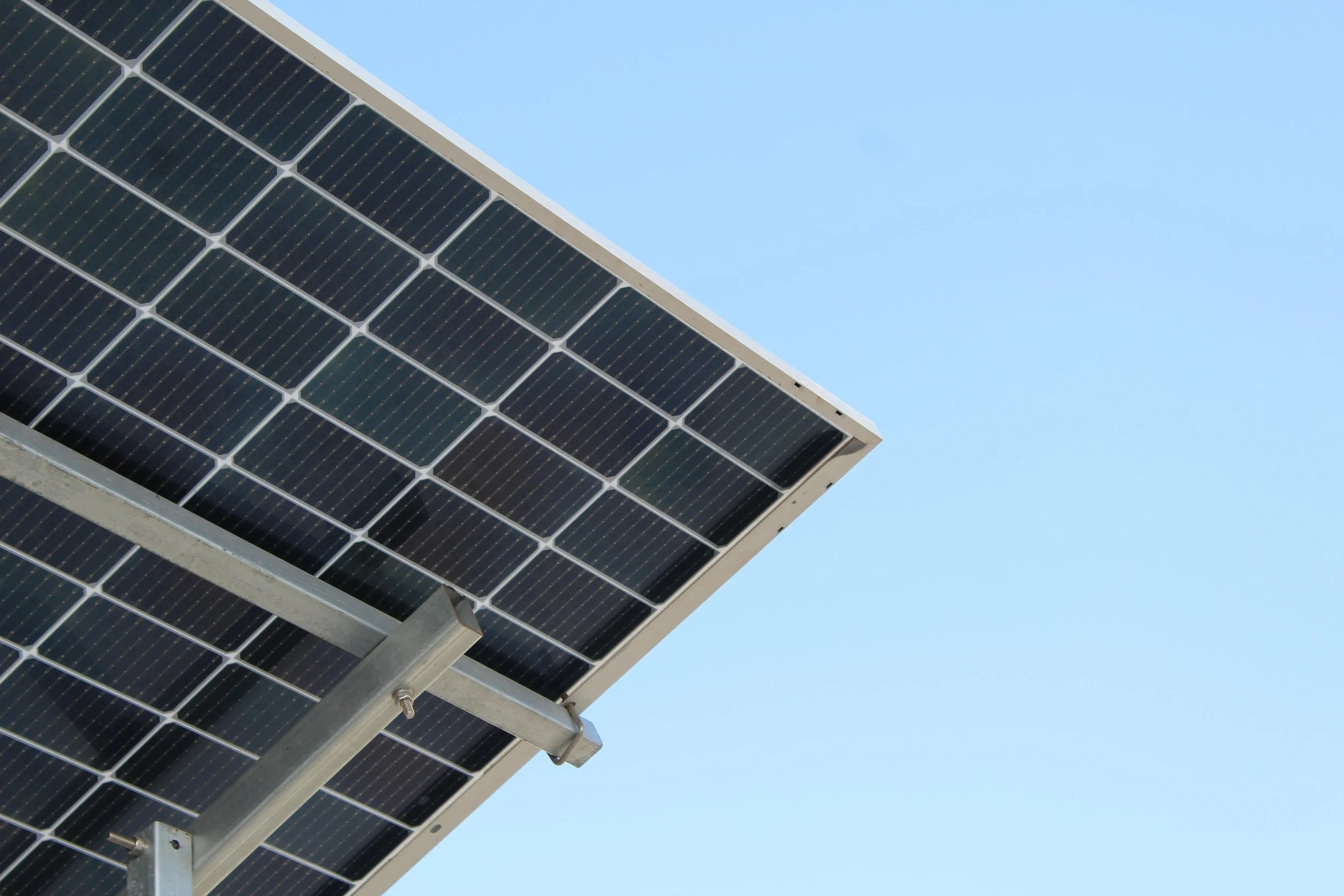
What Are Solar Tracking Systems?
Solar tracking systems are mounting structures designed to move solar panels so they continuously face the sun. Unlike traditional fixed systems, which remain in one position, trackers adjust the angle of the panels throughout the day.
This movement allows panels to capture more direct sunlight, improving overall efficiency. As a result, solar tracking systems can generate more electricity from the same number of panels, making them an attractive option for those looking to optimise performance.
Single-Axis Trackers: A Practical Upgrade
Single-axis trackers rotate panels along one axis, typically from east to west, following the sun’s daily movement across the sky. These systems are the most commonly used type of solar tracker due to their balance of performance and cost.
By maintaining better alignment with the sun, single-axis trackers can increase energy output by approximately 15–25% compared to fixed systems. They are especially effective in regions with consistent sunlight and are widely used in commercial and utility-scale solar farms.
For businesses with available land or large rooftops, single-axis trackers offer a practical way to boost energy generation without significantly increasing system complexity.
Dual-Axis Trackers: Maximum Efficiency
Dual-axis trackers take solar optimisation a step further by moving panels along two axes. This allows them to follow both the sun’s daily path and its seasonal changes in height.
Because of this flexibility, dual-axis systems can achieve energy gains of up to 30–40% compared to fixed installations. They ensure that panels are always positioned at the optimal angle, maximising sunlight capture throughout the year.
However, this increased performance comes with higher costs and more complex maintenance requirements. Dual-axis trackers are typically used in specialised applications, such as research facilities or high-efficiency installations where maximum output is a priority.
Where Do Solar Trackers Make the Most Sense?
While solar tracking systems offer clear advantages, they are not suitable for every situation. Their effectiveness depends on several factors, including location, available space, and budget.
Solar trackers are most beneficial in:
Large-scale solar farms where maximising output is critical
Open areas with minimal shading and ample space for movement
Regions with high levels of direct sunlight
For residential properties, fixed systems are often more practical due to space constraints and lower installation costs. However, in certain cases—such as large estates or properties with high energy demands—tracking systems may still be worth considering.
Are Solar Tracking Systems Worth It?
The decision to invest in solar tracking systems ultimately comes down to balancing cost and performance. While trackers can significantly increase energy production, they also require a higher upfront investment and ongoing maintenance.
For businesses and large installations, the additional energy output often justifies the cost, delivering strong long-term returns. For smaller-scale users, a well-positioned fixed system may provide sufficient efficiency without the added complexity.
Final Thoughts
Solar tracking systems represent an exciting advancement in renewable energy technology. By allowing panels to follow the sun, they unlock greater efficiency and maximise energy production.
Whether you choose a single-axis or dual-axis system, understanding how these technologies work can help you make a more informed decision. As solar adoption continues to grow, innovations like tracking systems will play a key role in shaping a more efficient and sustainable energy future.
Get in touch today to start our journey together.
Stay committed!
Damien Frearson