
Solar Panel Mismatch Losses: What They Are and How They Affect Performance
Solar panels are designed to work together to generate electricity efficiently. However, even panels within the same solar array may not produce exactly the same amount of power. These differences can lead to solar panel mismatch losses, which can reduce the overall energy output of a solar system.
Understanding why mismatch losses occur and how modern solar technologies address them can help homeowners and businesses make informed decisions about solar system performance.
What Are Solar Panel Mismatch Losses?
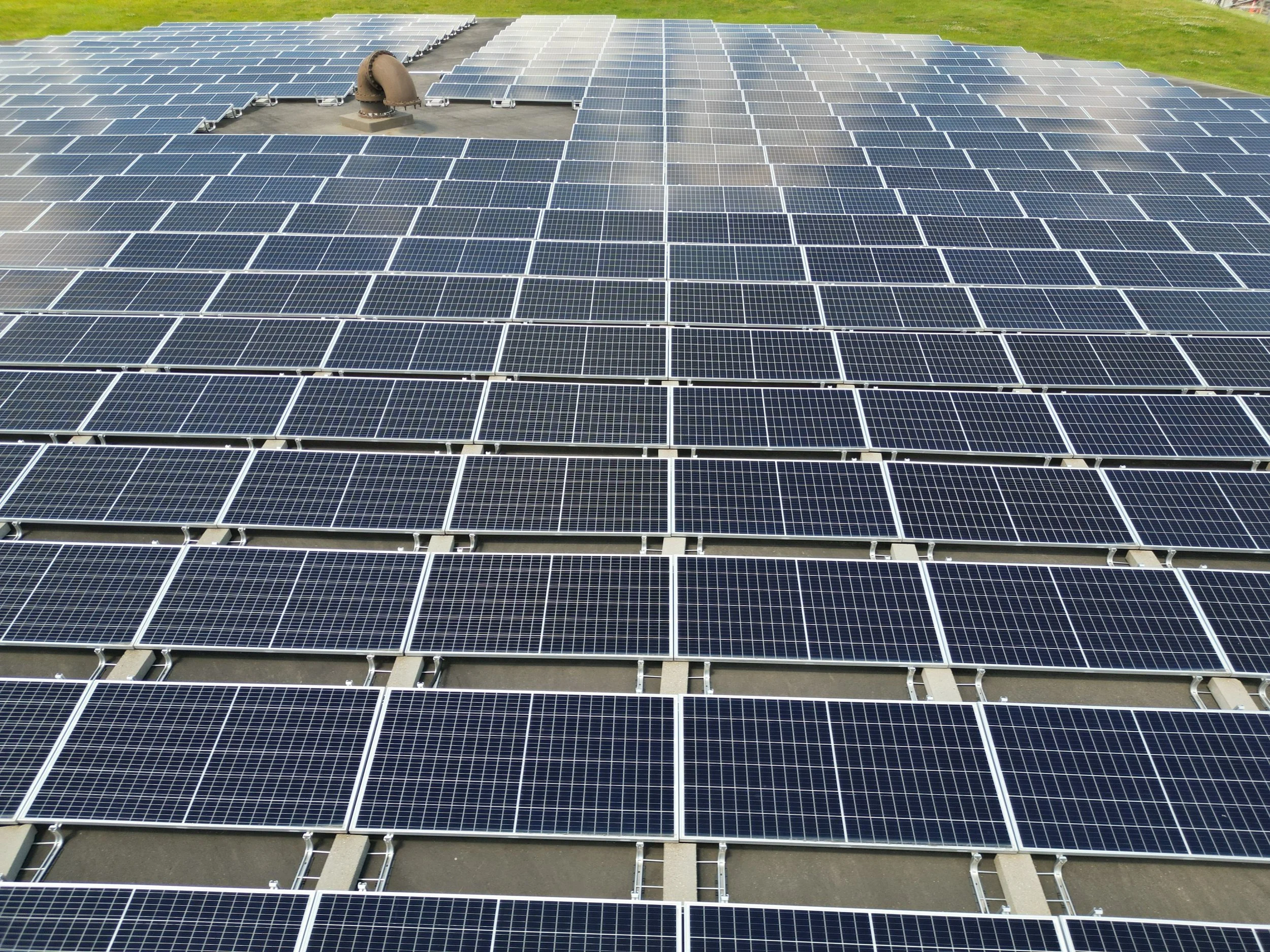
Solar panel mismatch losses occur when panels connected within an array have different electrical characteristics or operating conditions.
In a traditional series-connected solar string, the same current flows through each panel. When one panel produces less current than the others, it can limit the performance of the string, depending on the system's electrical configuration and operating conditions.
As a result, the solar array may generate less electricity than it would if all panels operated under identical conditions.
What Causes Solar Panel Mismatch Losses?
Several factors can create differences in solar panel output.
1. Manufacturing Tolerances
Even panels produced by the same manufacturer may have slight variations in electrical characteristics.
Manufacturing tolerances mean that panels with identical rated capacities can perform slightly differently under the same conditions. When connected together, these differences may contribute to mismatch losses.
2. Partial Shading
Shading is one of the most common causes of solar panel mismatch.
Trees, nearby buildings, chimneys, and other obstructions can prevent sunlight from reaching certain panels. A shaded panel may produce less current than neighbouring panels, affecting the performance of the connected string.
The extent of the loss depends on the shading pattern, panel design, and system configuration.
3. Uneven Panel Ageing
Solar panels gradually lose some of their generating capacity over time.
However, degradation does not always occur at the same rate across an entire array. Differences in temperature exposure, environmental conditions, and material quality can cause individual panels to age differently.
These variations may become more noticeable as a solar system gets older.
4. Differences in Temperature and Orientation
Panels installed at different angles or exposed to varying temperatures may produce different amounts of electricity.
For example, panels facing different directions receive sunlight at different times of the day. Connecting them within the same string can introduce performance differences that affect overall energy production.
How Modern Solar Systems Minimise Mismatch Losses
Advances in solar technology have introduced several ways to reduce the impact of panel mismatch.
Module-level power optimisers allow individual panels to operate closer to their optimal power output, helping reduce losses caused by differences between modules.
Microinverters convert electricity at each panel rather than relying on a single central inverter. This allows panels to operate more independently, reducing the effect of one underperforming panel on others.
Modern string inverters with multiple Maximum Power Point Tracking (MPPT) inputs can also improve performance by managing separate groups of panels with different operating conditions.
Careful system design remains essential. Grouping panels with similar orientations, minimising shading, and selecting compatible modules can help prevent unnecessary mismatch losses.
Solar panel mismatch losses are a natural consideration in solar energy system design, but their impact can be managed.
By understanding how manufacturing variations, shading, ageing, and installation conditions influence panel output, system owners can better appreciate the importance of thoughtful solar design.
With modern inverter technologies, module-level optimisation, and proper installation practices, solar systems can minimise mismatch losses and maintain more efficient, reliable energy production over time.
Get in touch today to start our journey together.
Stay committed!
Damien Frearson