
Solar Energy System Losses: Where Does the Energy Go?
Solar energy systems are highly efficient and reliable, but no system operates without some degree of energy loss. Even under ideal conditions, not all the sunlight captured by solar panels is converted into usable electricity. Understanding where these losses occur can help homeowners and businesses optimise performance and make informed decisions about their solar investments.
In this blog, we break down the most common types of solar energy system losses and explain how modern systems are designed to minimise them.
Why Do Solar Energy Losses Happen?
Solar systems involve several components working together to generate and deliver electricity. Along the way, small amounts of energy are naturally lost during conversion, transmission, and environmental exposure.
These losses are completely normal and are already considered during system design. However, understanding them helps explain why actual energy output may differ slightly from a system’s rated capacity.
Inverter Losses
One of the most common sources of energy loss comes from the inverter. Solar panels generate direct current (DC) electricity, but homes and businesses use alternating current (AC). The inverter is responsible for converting DC electricity into AC power.
During this conversion process, a small percentage of energy is lost as heat. Most modern inverters are highly efficient, typically operating at around 95–98% efficiency, but minor losses are unavoidable.
Choosing high-quality inverters can help reduce these conversion losses and improve overall system performance.
Wiring and Electrical Losses
Electricity travelling through cables and connections experiences resistance, which results in small energy losses. This is known as wiring or transmission loss.
Although these losses are generally minimal, they can increase if:
Cables are too long
Wiring is poorly designed
Low-quality materials are used
Professional installers minimise these losses by using appropriate cable sizes and efficient system layouts.
Temperature Losses
While solar panels need sunlight to generate energy, excessive heat can reduce their efficiency. As panel temperatures rise, electrical output decreases slightly.
This is because high temperatures affect the voltage produced by photovoltaic cells. In hot climates, temperature losses can become more noticeable during peak sunlight hours.
Modern solar panels are designed with improved heat tolerance, and proper ventilation during installation helps reduce heat build-up.
Dirt, Dust, and Debris
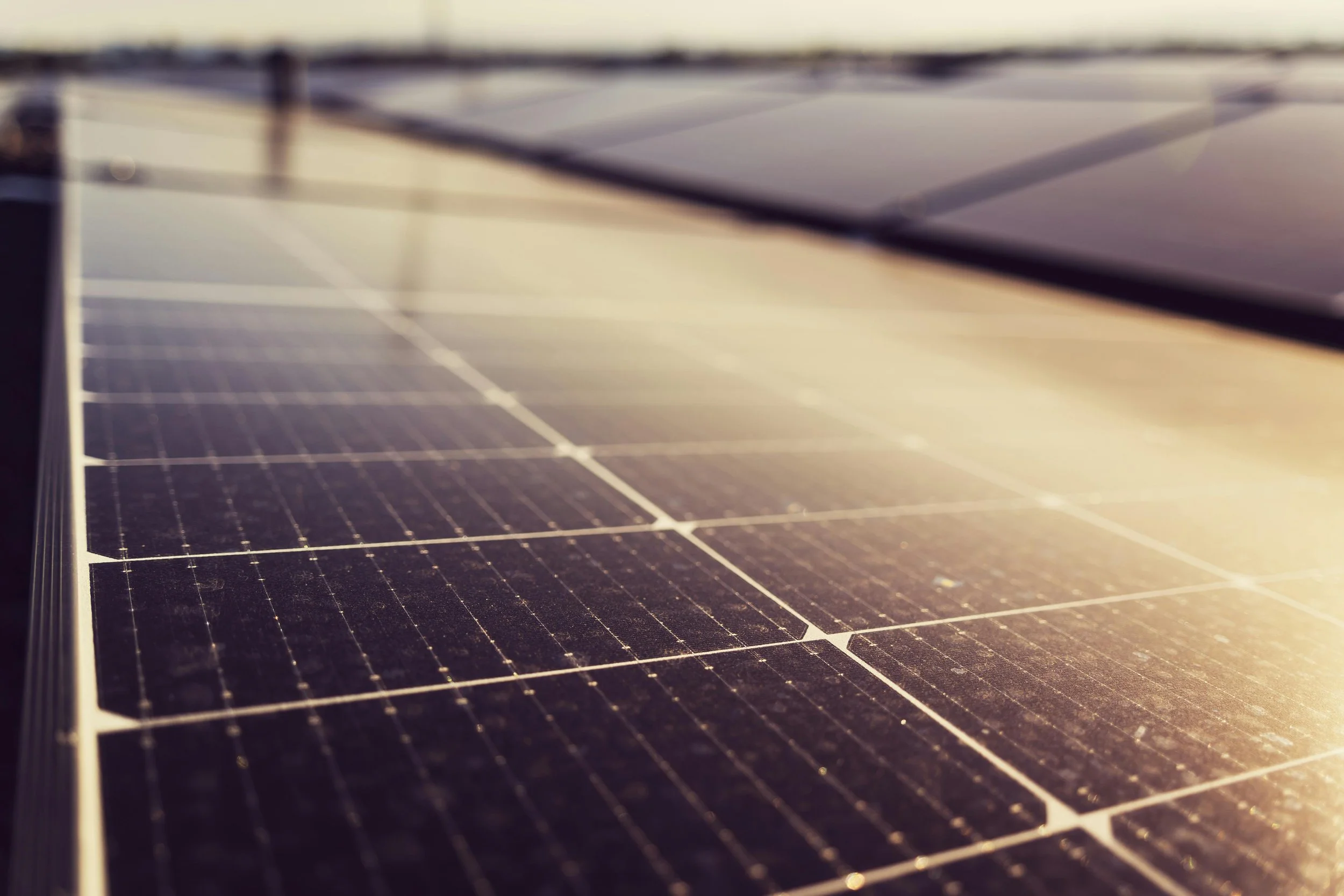
Solar panels require direct access to sunlight for optimal performance. Dirt, dust, leaves, bird droppings, and other debris can partially block sunlight and reduce energy generation.
This issue, often referred to as soiling loss, varies depending on the environment. Areas with heavy pollution, construction activity, or dry conditions may experience higher levels of dirt accumulation.
Regular cleaning and maintenance help ensure panels continue operating efficiently.
Shading Losses
Even partial shading can affect solar panel performance. Trees, nearby buildings, chimneys, or other obstructions may block sunlight from reaching the panels.
In some systems, shading on one panel can impact the output of multiple panels connected together. To reduce this risk, installers carefully assess panel placement and may use technologies such as microinverters or power optimisers.
System Age and Degradation
Over time, solar panels naturally experience a gradual decline in efficiency, known as degradation. Most panels lose only a small percentage of performance each year and are designed to remain highly effective for decades.
High-quality solar panels often maintain strong output levels even after 20–25 years of use.
Final Thoughts
Energy losses are a normal part of every solar energy system, but modern technology has made these losses smaller than ever before. From inverter conversion and wiring resistance to temperature and shading, each factor plays a role in overall system performance.
By understanding where energy losses occur, homeowners and businesses can take steps to optimise efficiency, improve maintenance, and maximise long-term energy production. With proper design and quality components, solar energy remains one of the most reliable and sustainable power solutions available today.
Get in touch today to start our journey together.
Stay committed!
Damien Frearson