
Solar Energy Storage Innovations: From Lithium-Ion to Solid-State Batteries
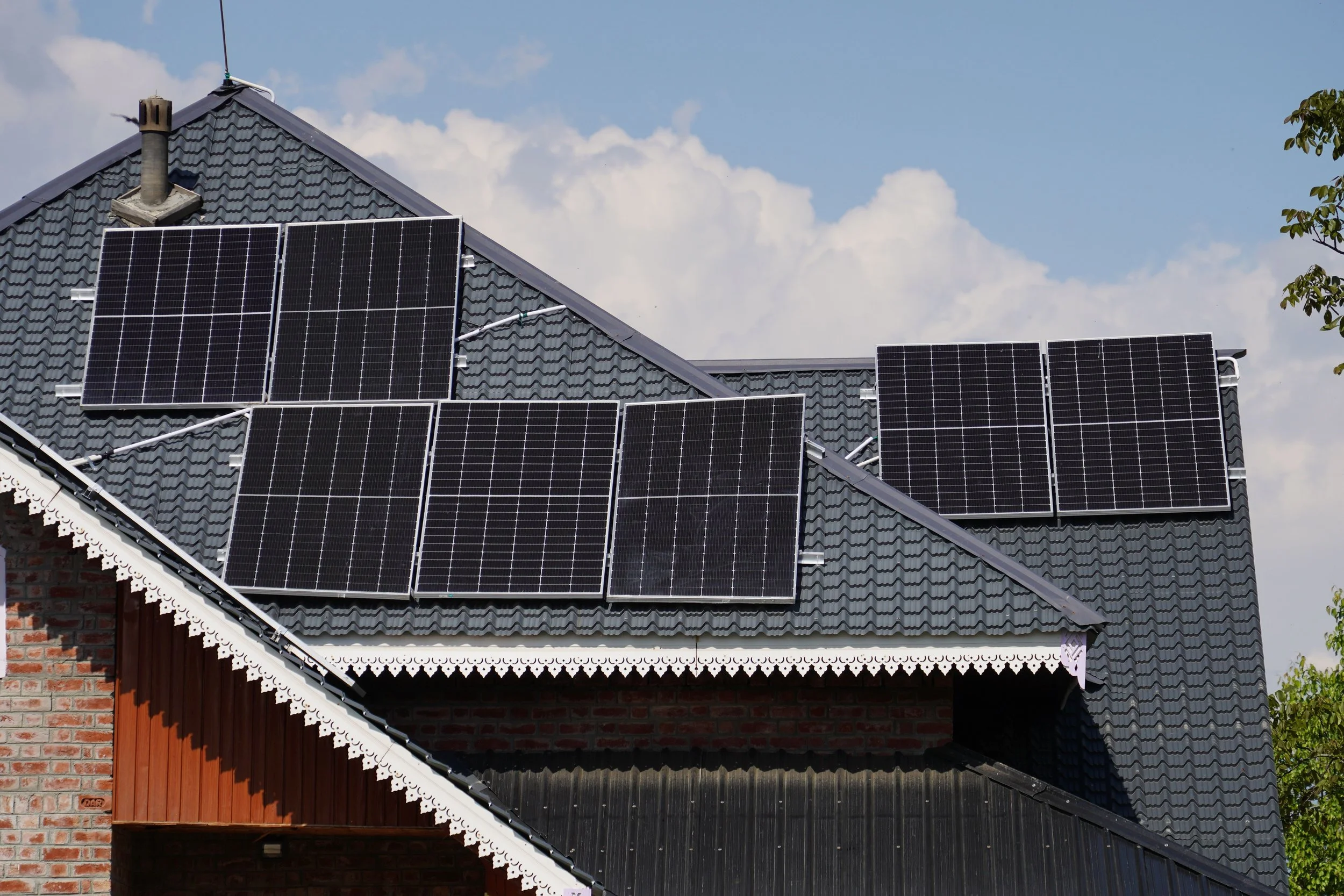
As solar energy adoption continues to grow, energy storage has become an essential part of building efficient and reliable renewable energy systems. While solar panels generate electricity during daylight hours, battery storage allows that energy to be stored for use when the sun is no longer shining.
Battery technology has advanced significantly over the past decade, with innovations improving safety, energy capacity, charging speed, and lifespan. From today's widely used lithium-ion batteries to the promising future of solid-state technology, energy storage is evolving rapidly.
In this blog, we explore the latest developments in solar battery technology and how they are shaping the future of renewable energy.
Why Energy Storage Matters
Solar energy production naturally varies throughout the day. During periods of strong sunlight, solar systems may generate more electricity than a home or business requires. Without battery storage, this excess energy is often exported to the electricity grid.
Energy storage systems allow users to store surplus electricity and use it later, such as during the evening, on cloudy days, or during power outages. This increases energy independence, improves self-consumption, and can reduce reliance on the grid.
As battery technology improves, these benefits continue to grow.
Lithium-Ion Batteries: The Current Industry Standard
Lithium-ion batteries are currently the most widely used energy storage solution for residential and commercial solar systems.
Their popularity comes from several advantages, including:
High energy density
Fast charging and discharging
Compact size
Long service life
Low maintenance requirements
Modern lithium-ion batteries are capable of thousands of charging cycles while maintaining strong performance. They also integrate easily with smart energy management systems, helping users optimise electricity consumption.
Although lithium-ion technology has transformed renewable energy storage, researchers continue to develop even more advanced alternatives.
The Rise of Solid-State Batteries
Solid-state batteries represent one of the most exciting developments in energy storage technology. Unlike traditional lithium-ion batteries, which use liquid electrolytes, solid-state batteries use solid materials to transport electrical charge.
This difference offers several potential advantages.
Improved Safety
One of the biggest benefits of solid-state technology is enhanced safety. Solid electrolytes significantly reduce the risk of overheating, leakage, and thermal runaway, making these batteries more stable during operation.
Higher Energy Capacity
Solid-state batteries have the potential to store more energy within the same physical space. Increased energy density means homeowners and businesses could store more electricity without requiring larger battery systems.
This is particularly valuable where installation space is limited.
Longer Lifespan
Researchers also expect solid-state batteries to offer longer operational lifespans. Improved durability may reduce battery degradation over time, allowing systems to maintain strong performance for many years.
This could lower replacement costs and improve the long-term value of solar energy systems.
Other Emerging Battery Technologies
While lithium-ion and solid-state batteries receive significant attention, other storage technologies are also being developed.
Flow batteries, sodium-ion batteries, and advanced lithium chemistries are showing promise for specific applications. Some offer improved sustainability by using more abundant materials, while others focus on providing longer-duration energy storage for commercial or utility-scale projects.
As research continues, these technologies may complement or even compete with today's leading battery solutions.
Choosing the Right Battery System
Selecting the right energy storage solution depends on several factors, including energy usage, budget, available space, and future expansion plans.
For most residential and commercial installations today, lithium-ion batteries remain the preferred option due to their proven reliability and performance. However, as solid-state batteries become commercially available, they may offer even greater efficiency, safety, and longevity.
Working with experienced solar professionals can help ensure the most suitable battery technology is selected for your specific energy needs.
Battery innovation is playing a vital role in the future of renewable energy. While lithium-ion batteries continue to power today's solar systems, emerging technologies such as solid-state batteries promise significant improvements in safety, capacity, and lifespan.
As energy storage continues to evolve, homeowners and businesses will benefit from more reliable, efficient, and sustainable solar solutions. Investing in modern battery technology not only maximises the value of solar energy but also supports a cleaner and more resilient energy future.
Get in touch today to start our journey together.
Stay committed!
Damien Frearson