
How Temperature Affects Solar Panel Performance
Solar panels are designed to harness energy from the sun, so it is natural to assume they perform better as temperatures rise. However, while solar panels need sunlight to generate electricity, excessive heat can actually reduce their efficiency. Understanding how temperature affects solar panel performance can help homeowners and businesses make informed decisions when investing in renewable energy.
In this blog, we explain why high temperatures can impact solar output and how modern solar systems are engineered to perform efficiently in warm climates.
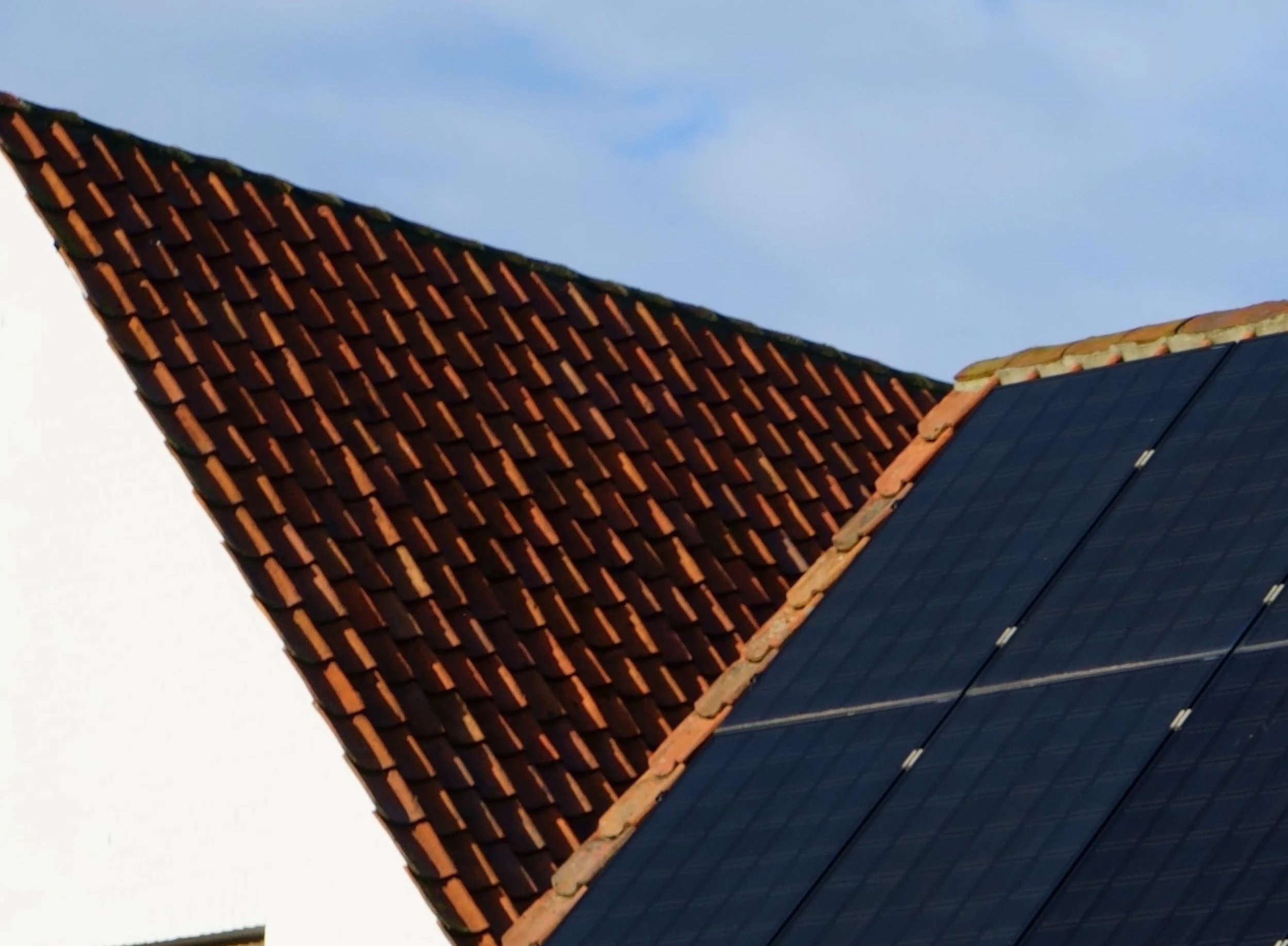
Sunlight Powers Solar Panels—Not Heat
One of the most common misconceptions about solar energy is that solar panels rely on heat to produce electricity. In reality, photovoltaic (PV) panels generate electricity by converting sunlight into electrical energy.
This means that bright, sunny conditions are ideal, but high temperatures are not necessarily beneficial. A cool, sunny day can often produce better solar performance than an extremely hot day with the same level of sunlight.
Understanding this distinction is important when evaluating how solar systems perform in different climates.
Why Extreme Heat Reduces Efficiency
As solar panels become hotter, the electrical components inside them become less efficient. Specifically, high temperatures reduce the voltage generated by the photovoltaic cells, leading to a slight decrease in overall power output.
Manufacturers measure this effect using a temperature coefficient, which indicates how much a panel's efficiency decreases for every degree above the standard testing temperature of 25°C.
Most modern solar panels lose approximately 0.3% to 0.5% of their efficiency for every degree above this benchmark. While this reduction is relatively small, it can become noticeable during prolonged periods of extreme heat.
Importantly, solar panels continue generating electricity even in high temperatures—they simply produce slightly less energy than they would under cooler conditions.
How Modern Solar Systems Handle Heat
Fortunately, today's solar technology is specifically designed to perform well in a wide range of environmental conditions.
Many high-quality solar panels feature improved cell technology and lower temperature coefficients, allowing them to maintain better performance during hot weather. Manufacturers continue investing in research and development to improve heat tolerance and maximise long-term efficiency.
The choice of components also plays a role. High-performance inverters and quality installation practices help ensure the entire system operates as efficiently as possible.
The Importance of Proper Installation
Installation is just as important as the panels themselves. Professional installers leave a gap between the roof and the solar panels to encourage natural airflow underneath the system.
This ventilation helps dissipate heat and prevents panels from becoming excessively hot. Improved airflow can significantly reduce temperature-related efficiency losses.
Panel orientation and tilt are also carefully planned to maximise sunlight exposure while promoting natural cooling throughout the day.
Other Factors That Influence Performance
While temperature affects efficiency, it is only one part of the overall picture. Solar energy production also depends on factors such as:
Sunlight intensity
Peak sun hours
Panel orientation
Shading
Dirt and debris
System maintenance
A well-designed and properly maintained solar system can continue producing excellent results despite occasional periods of high temperatures.
Although extreme heat can reduce solar panel efficiency slightly, it does not prevent solar systems from generating clean, renewable electricity. Modern panels are specifically engineered to minimise temperature-related losses, while professional installation techniques help keep systems operating efficiently.
By understanding the relationship between sunlight and temperature, homeowners and businesses can set realistic expectations and appreciate how today's solar technology delivers reliable performance in a variety of climates. With quality equipment and proper design, solar energy remains one of the most dependable and sustainable power solutions available.
Get in touch today to start our journey together.
Stay committed!
Damien Frearson