
How Solar Energy Systems Are Tested and Certified for Safety and Performance
Solar energy systems are designed to operate reliably for decades while being exposed to heat, rain, wind, humidity, and other challenging conditions. But before solar panels and other system components reach homes and businesses, they undergo extensive testing to ensure they meet recognised standards for safety, quality, and performance.
Understanding solar panel testing and certification can help consumers make more informed decisions and appreciate the quality assurance processes behind modern solar technology.
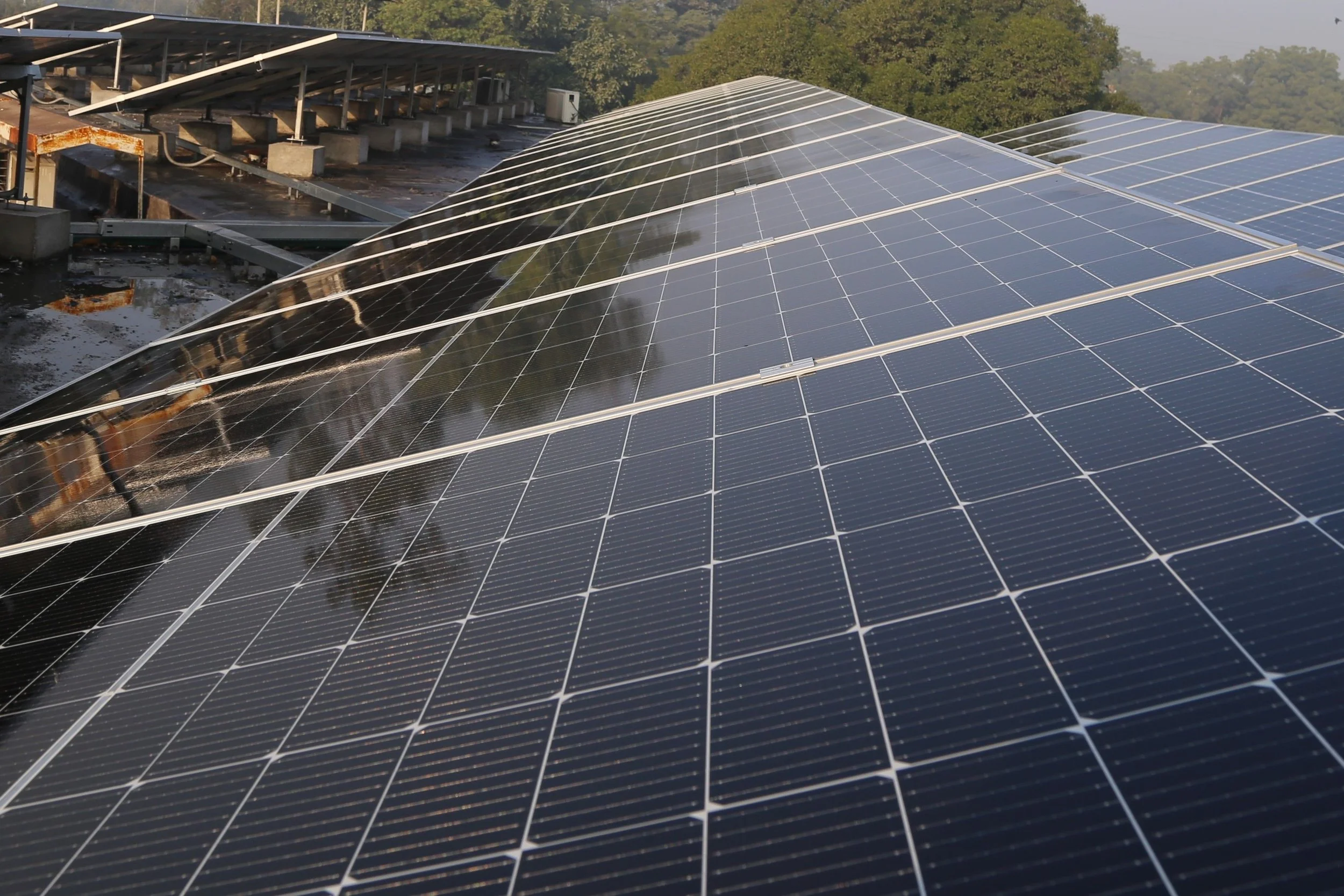
Why Solar Testing and Certification Matter
A solar energy system contains several electrical components, including photovoltaic (PV) modules, inverters, wiring, mounting equipment, and sometimes battery storage.
Each component must operate safely while maintaining reliable performance over many years. Testing and certification provide evidence that products have been assessed against established technical requirements.
Independent testing can evaluate factors such as electrical safety, mechanical strength, environmental durability, and expected performance under controlled conditions.
International Standards for Solar Panels
Many solar products are tested against standards developed by the International Electrotechnical Commission (IEC).
For example, the IEC 61215 series covers design qualification and type approval for terrestrial photovoltaic modules. Testing can examine how modules respond to environmental stresses such as temperature changes, humidity, mechanical loads, and prolonged exposure to outdoor conditions.
The IEC 61730 series focuses on photovoltaic module safety. It addresses potential electrical and mechanical hazards and helps determine whether modules meet recognised safety requirements.
Standards can vary depending on the product, market, and country where the equipment will be installed.
How Solar Panels Are Performance Tested
Manufacturers test solar panels under controlled laboratory conditions to determine their rated power output.
Standard Test Conditions (STC) provide a consistent benchmark for comparing different solar modules. These conditions specify factors including solar irradiance, cell temperature, and the characteristics of the light used during testing.
However, real-world conditions are constantly changing. Temperature, shading, panel orientation, dirt, and sunlight intensity can all influence actual energy production.
This is why performance ratings provide a useful reference point rather than a guarantee of identical output in every environment.
Testing for Challenging Conditions
Solar panels must be able to withstand years of exposure to outdoor conditions. Qualification testing may therefore simulate environmental stresses that panels could experience during their operating life.
Depending on the applicable standard, tests may assess resistance to:
Temperature cycling
High humidity
Mechanical loads
Hail impact
Insulation failure
UV exposure
Potential electrical hazards
These tests help identify design weaknesses before products are widely installed.
Inverters and Other Components Matter Too
Solar panels are only one part of a complete system. Inverters, batteries, electrical protection equipment, connectors, and mounting systems also need to comply with relevant safety and performance requirements.
Inverters, for example, must safely convert DC electricity from solar panels into AC electricity suitable for use within a property or export to the grid. Grid-connected equipment may also need to meet local requirements governing how it interacts with the electricity network.
Quality Assurance During Manufacturing
Certification is complemented by ongoing quality assurance. Manufacturers may use production inspections, electrical testing, visual checks, and performance measurements to identify defects and maintain consistency between products.
Some certification programmes also include factory audits or surveillance to confirm that certified products continue to meet required specifications.
Solar energy testing and certification play an essential role in building safe, reliable, and high-performing renewable energy systems.
From internationally recognised standards to laboratory testing and manufacturing quality controls, multiple processes help ensure solar equipment can withstand demanding conditions and operate as intended.
For homeowners and businesses, choosing appropriately certified equipment and working with qualified installers provides greater confidence that a solar system has been designed with safety, quality, and long-term performance in mind.
Get in touch today to start our journey together.
Stay committed!
Damien Frearson