
How Shading Impacts Solar Panels and What Technologies Minimise Losses
Solar panels need sunlight to generate electricity, so it is no surprise that shading can have a significant impact on system performance. Even partial shade from trees, buildings, chimneys, or nearby structures can reduce energy production. Fortunately, modern solar technology offers several ways to minimise these losses.
Understanding how shading affects solar panels can help homeowners and businesses make better decisions about system design and equipment.
Why Does Shading Affect Solar Panels?
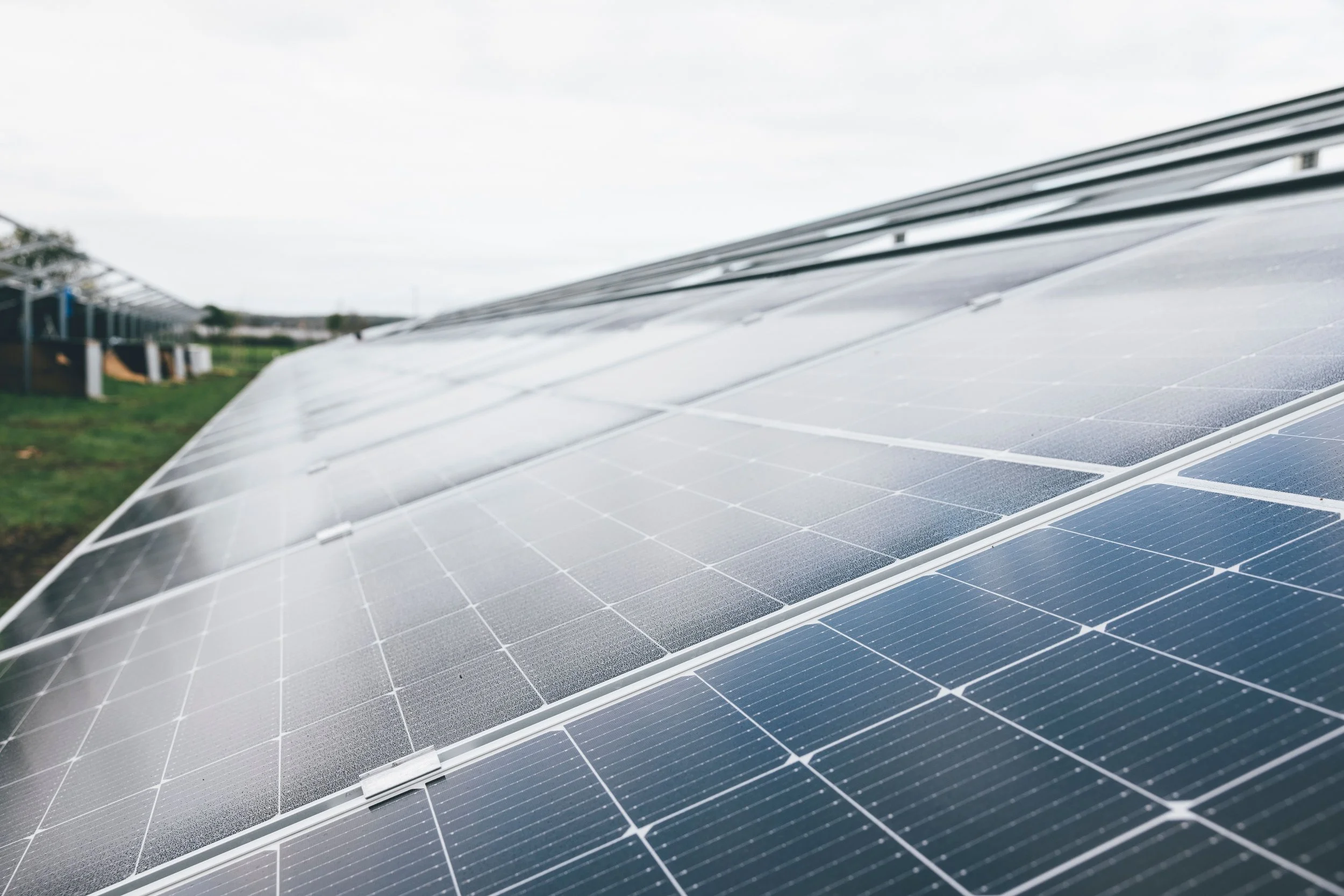
Solar panels are made up of multiple photovoltaic cells that work together to convert sunlight into electricity. When one or more cells receive less sunlight, their electrical output can decrease.
The impact can be greater when panels are connected in a string. In a traditional string inverter system, several panels are linked together. If one panel is significantly shaded, it can affect the current flowing through the entire string.
This means even partial shading can result in a larger reduction in energy production than you might expect.
What Is Partial Shading?
Partial shading occurs when only part of a solar panel or a small number of panels are shaded. It can happen at different times of the day as the sun moves across the sky.
Common sources include:
Trees and vegetation
Neighbouring buildings
Chimneys and roof structures
Utility poles
Other nearby obstructions
Because shadows change throughout the day and across seasons, installers should assess potential shading before designing a solar system.
The Role of Bypass Diodes
Bypass diodes are an important feature found in many solar panels. They help reduce the impact of shading by allowing current to bypass sections of a panel that are producing less electricity.
Without bypass diodes, a shaded section could create a bottleneck for the rest of the panel. By redirecting the current around the affected section, bypass diodes help prevent excessive power losses and reduce the risk of hotspots.
However, bypass diodes do not eliminate shading losses completely. They are primarily designed to limit the impact of shaded sections within a panel.
How Power Optimisers Help
Power optimisers provide another way to manage shading. These devices are typically installed at the individual panel level and optimise the DC electricity produced by each panel.
Unlike a traditional string system, optimisers can help reduce the effect of an underperforming or shaded panel on other panels in the same system.
This makes them particularly useful for properties where shading is unavoidable or where panels have different orientations.
What About Microinverters?
Microinverters take panel-level optimisation a step further. Instead of using one central inverter for multiple panels, each solar panel has its own microinverter.
Each unit converts the panel's DC electricity into AC electricity independently. As a result, a shaded panel has less influence on the performance of the other panels.
Microinverters can be especially useful on complex roofs, properties with multiple roof orientations, or installations affected by changing shade throughout the day.
Choosing the Right Technology
The best solution depends on the property and the level of shading involved. A roof with uninterrupted sunlight may perform very well with a conventional string inverter system, while a more complicated installation may benefit from optimisers or microinverters.
Professional system design should consider the property's roof layout, shading patterns, panel orientation, and energy requirements before equipment is selected.
Shading is one of the key factors that can affect solar panel performance, but it does not necessarily prevent a property from benefiting from solar energy. Bypass diodes, power optimisers, and microinverters can all help minimise the impact of partial shading.
By assessing shading conditions and selecting the right technology, homeowners and businesses can build a solar system that makes better use of available sunlight and delivers more reliable energy production over time.
Get in touch today to start our journey together.
Stay committed!
Damien Frearson